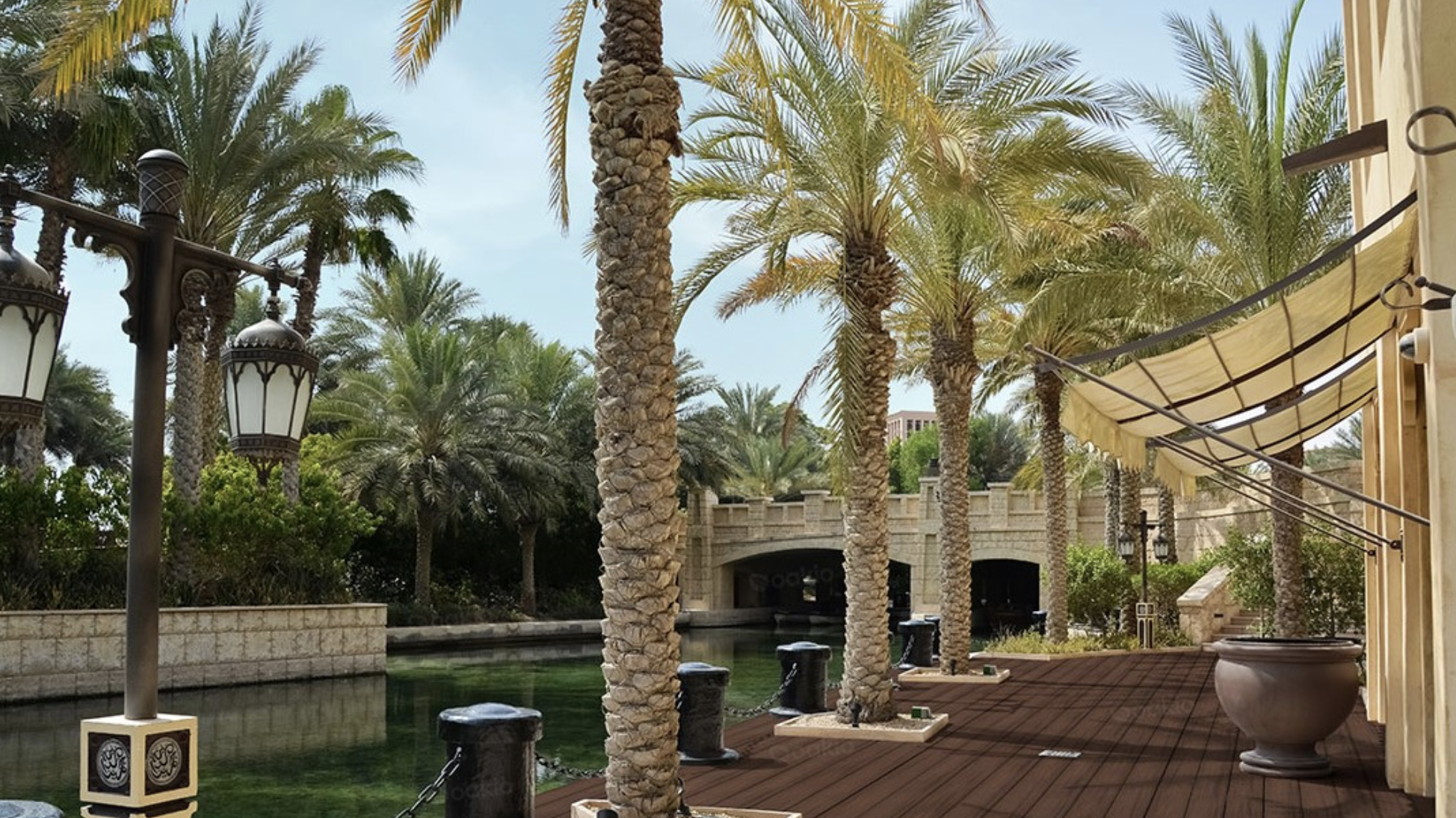
Eco-Friendly and Durable: The Modern Appeal of Composite Decking

You’ll learn about the key milestones in its development, the materials used, and the benefits that have made composite decking a go-to for modern decks. Whether you’re a DIY enthusiast or just curious about home improvement trends, you’ll find plenty of insights to help you make informed decisions for your next outdoor project.
Early Days of Composite Decking
Composite decking began its journey as an alternative to traditional wood decks. In the early days, the focus was on creating a material that looked like wood but required less maintenance.
Introduction of Plastic-based Decking
Manufacturers introduced plastic-based decking in the late 1980s. Combining polyethylene, polypropylene, and polyvinyl chloride provided a durable, low-maintenance option. These early products addressed common wood decking issues like rot and splinters. I recall the first time I saw a plastic-based deck—it felt revolutionary and futuristic.
Initial Benefits and Limitations
Early composite decking offered several benefits:
- Durability: More resistant to weather than wood, these decks didn’t splinter or crack.
- Low Maintenance: No painting or staining is needed, just occasional cleaning.
- Eco-friendly: Often made from recycled materials.
- Cost: Higher initial prices compared to wood.
- Aesthetics: Early versions sometimes looked less like real wood.
- Heat Retention: Became hotter than wood in direct sunlight.
Advancements in Composite Materials
Introduction of Wood-Plastic Composites (WPC)
Wood-plastic composites (WPC) emerged in the 1990s, blending recycled wood fibers with plastic. They offered a major shift from earlier plastic-only decks. WPC provided the look of wood with better durability and lower maintenance. These composites became popular because they addressed rot and insect damage issues in traditional wood decks. They also allowed homeowners to enjoy the aesthetics of wood without the associated upkeep. This mix made composite decking a hit among those wanting a wood-like appearance with minimal effort.
Improvement in Durability and Aesthetics
Manufacturers have vastly improved the durability and appearance of composite decking. Early versions looked less like real wood and more plasticky. I’ve seen newer products that closely mimic the grains and textures of exotic hardwoods. Besides aesthetics, the durability has increased, thanks to blend enhancements and better protective coatings. For instance, capstock technology, which covers the composite core with a plastic shell, increases resistance to wear and tear. Renovating my deck with these newer materials helped it withstand harsh weather without losing its luster.
Resistance to Fading, Staining, and Scratching
The latest composite decking materials boast high resistance to common issues like fading, staining, and scratching. My cousin’s family had a deck from the early 2000s that faded quickly due to prolonged sun exposure. Newer decks use UV inhibitors to maintain color. They also employ protective caps that resist stains from spills and scratches from moving furniture or pets. This makes maintenance even easier, providing long-term satisfaction for homeowners. The advancement ensures that these decks look fresh and vibrant for years, making them a worthwhile investment.
High-Tech Innovations in Composite Decking
Composite decking has come a long way since its first appearance. Advanced technologies now offer homeowners a range of options not available in earlier versions.
Use of Capped Composites for Enhanced Performance
Capped composites hit the market for better performance by adding a protective layer over composite materials. This cap coating shields the deck from moisture and UV rays. Thanks to its capped composite boards, my friend Tim’s deck looked as good as new, even after five years. The cap also makes cleaning easier and prevents mold growth.
Incorporation of Recycled Materials
Many people are becoming more conscious of sustainability. Composite decking now often features recycled materials. Manufacturers use plastic bags, milk jugs, and wood scraps to create environmentally friendly boards. Opting for decks made of recycled content contributes to reducing waste. Plus, it offers a durable and low-maintenance alternative to traditional wood.
Development of Multi-Color and Textured Finishes
The latest advancements in composite decking include multi-color and textured finishes. These innovations provide a realistic wood grain appearance and a variety of hues. For example, boards might mimic the look of exotic hardwoods like Ipe or Mahogany. This versatility lets homeowners customize their spaces to match personal aesthetics without dealing with high maintenance.
Environmental Impact and Sustainability
Composite decking integrates eco-friendly materials, positively impacting the environment. Manufacturers often use recycled plastics and reclaimed wood fibers, reducing landfill waste and conserving natural resources. I remember a home project where the decking used 90% recycled content, combining beauty and responsibility. By diverting tons of plastic from oceans and forests, composite decking contributes to a greener planet.
Use of Eco-Friendly Materials
Manufacturers of composite decking prioritize sustainability by choosing recycled plastics and reclaimed wood. For example, many brands use polyethylene from discarded products and wood byproducts from the lumber industry. This mix reduces deforestation and helps repurpose materials that would otherwise pollute the earth.
Contribution to Sustainable Building Practices
Composite decking supports sustainable building practices by promoting resource efficiency and reducing greenhouse gas emissions. Builders prefer it for its long lifespan and low maintenance needs, avoiding frequent replacements and upkeep. Incorporating composite decking in projects enhances durability while maintaining eco-friendly standards. Expected lifespan and maintenance statistics reflect its advantages:
|
Aspect |
Traditional Wood |
Composite Decking |
|
Lifespan |
10-15 years |
25-30 years |
|
Maintenance Frequency |
Annual |
Minimal |
|
Material Waste |
High |
Low |
Combining these aspects helps professionals and homeowners contribute to sustainable living.
Conclusion
In my experience with composite decking, the blend of practicality and beauty stands out. I replaced my old wooden deck with composite materials, and I’ve enjoyed minimal maintenance since. Watching my friends admire the wood-like appearance of the newer composites makes me appreciate the technological strides even more. Composite decking offers durability, beauty, and sustainability, making it an excellent choice for anyone upgrading their outdoor spaces.