
Creating a wildlife garden for children: a guide
Immaculate gardens are certainly easy on the eye, but sometimes something a bit more rustic is needed when it comes to children. Wildlife gardens are not only great for your children to play and explore in but also for your local ecosystem. Encouraging small and vulnerable animals to spend time in your garden helps to protect species from being wiped out, and maintain the presence of birdsong and other pleasant aspects of a happy ecosystem.
Wildflowers
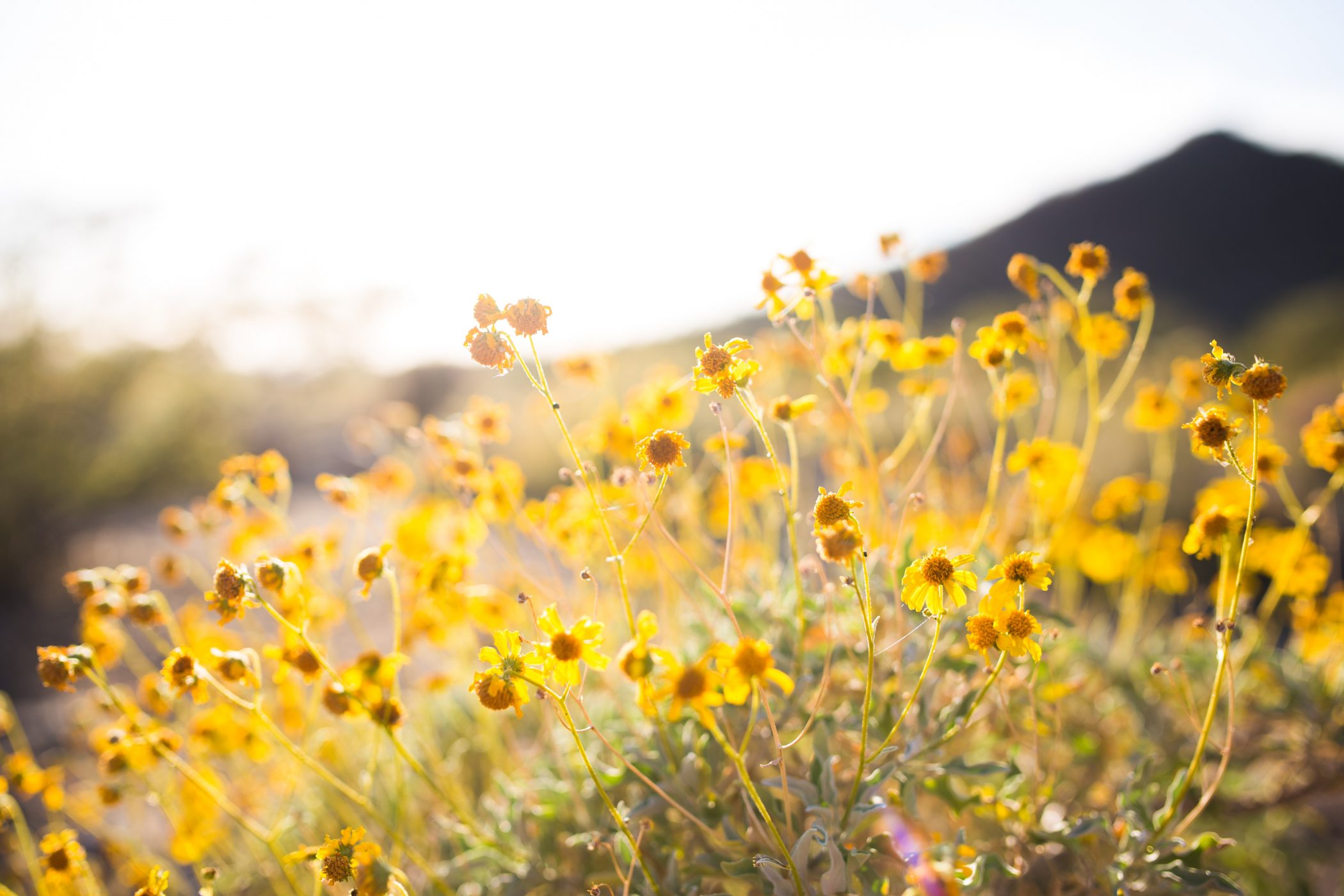
Believe it or not, those big, elaborate flowers that droop down and look as if they belong in a tropical garden are actually not as good for collecting pollen. Bees and butterflies actually much prefer easy-to-access flowers that are bursting with pollen and nectar. Wildflowers are particularly great for this, and you can add a healthy variety to your garden. Your children can start to watch the variety of colours come into bloom throughout the year. You can easily buy wildflower seed online; you can start sowing with the kids after it gets delivered right to your door.
Hedgehog house
Hedgehogs are always at risk from everyday life, whether it’s being run over by cars or decreasing natural habitats, and so helping your children protect them is a noble cause to follow. You can easily create a wooden home for a hedgehog, using an up-turned wooden box. Adding food and weights to anchor it down will ensure that other, larger animals don’t get into it.
This is your opportunity to teach your children a little bit more about wildlife and animals. Teach them about what a hedgehog needs to survive and get them to help create the wooden home. They will love to get involved and help the animals.

Simple fruit and vegetables
If you’re trying to convince your children to eat their five-a-day, then a fun way to introduce them to new vegetables is to teach them to grow their own. It might be a curious way of convincing them that the less-fun food groups are actually enticing. Runner beans and more simple varieties of fruit and veg that aren’t tricky to grow will introduce them to the basic principles of grow-your-own.
Invest in a pond
Having a purely ornamental pond will bring a surprising amount of wildlife into its depths. Frogs, newts, dragonflies and other water-dabbling insects will gradually make their way into your pond over the years. A good way to get the ecosystem started is to talk to neighbours and friends who also have a pond with plenty of wildlife. Carefully taking newts and frogs over to your pond and letting them loose will help you feel less like you’ve started from complete scratch. Remember, too, to invest in oxygenating plants to keep all plant and animal life happy.
Getting children interested in wildlife has a much more worthwhile and long-term significance. Teaching them to protect valuable ecosystems shows them the importance of looking after habitats and the environment in general. It also provides a little bit of education that they can take with them to school.


