Bridging the Gap: Fostering Meaningful Bonds between Children and the Older Generation
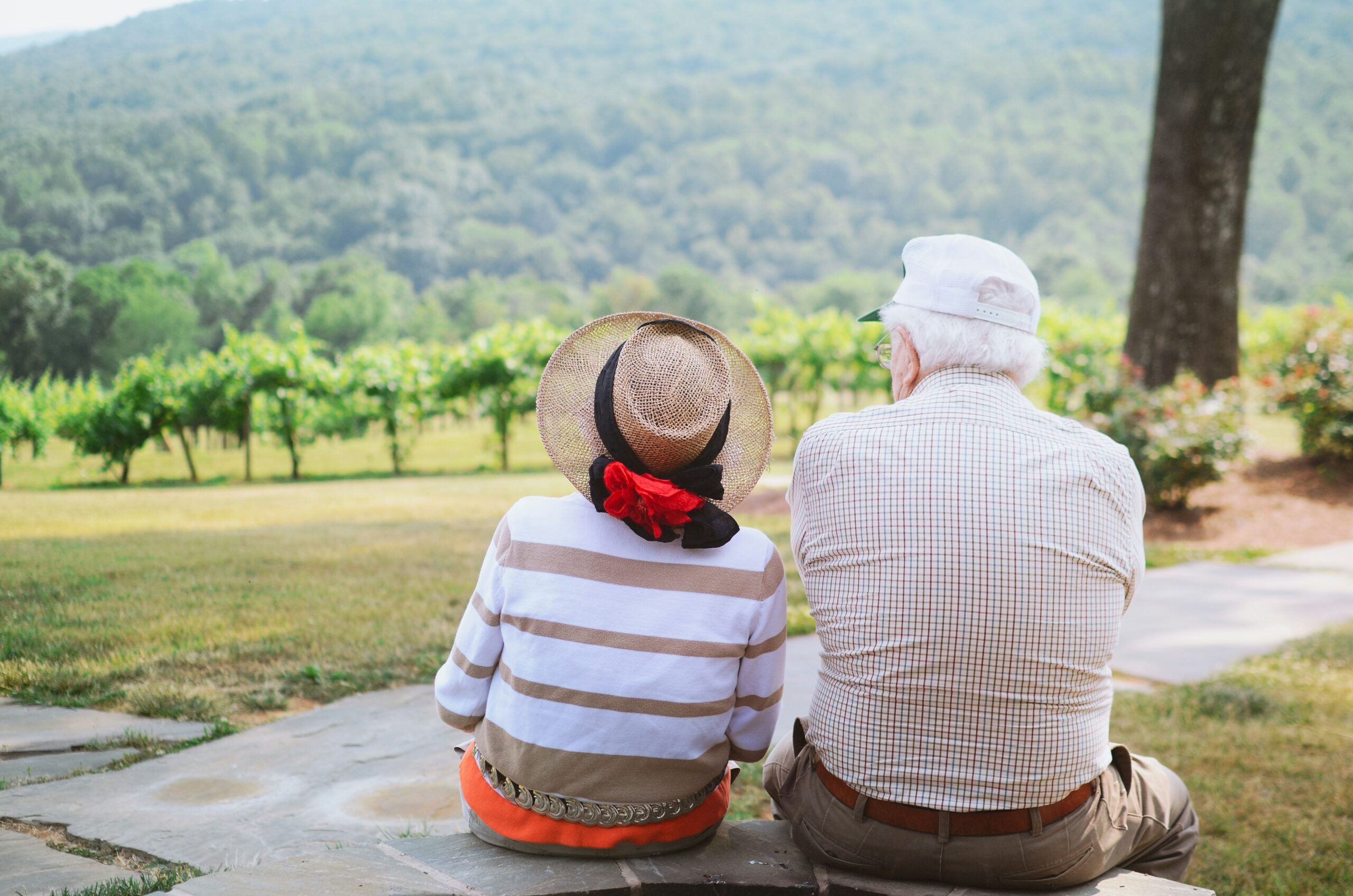 As the world becomes increasingly fast-paced and technology-driven, it’s easy to overlook the importance of intergenerational relationships. However, the bond between children and their older family members, such as grandparents, is a vital one that can have a profound impact on both parties. By encouraging and facilitating meaningful interactions between children and the older generation, we can foster a deeper understanding, respect, and appreciation for one another.
One of the most significant benefits of intergenerational relationships is the transmission of values, traditions, and life experiences. Grandparents, in particular, possess a wealth of knowledge and wisdom gained from years of living, working, and overcoming challenges. By sharing their stories, they can impart valuable lessons and insights to their grandchildren, helping to shape their character and worldview.
Moreover, the older generation can provide a sense of stability and continuity in a child’s life. In an era of rapid change and uncertainty, grandparents can offer a reassuring presence, providing a sense of comfort and security that can be especially important during times of turmoil or upheaval.
Conversely, children can bring joy, energy, and a fresh perspective to the lives of their older family members. Engaging in activities together, such as playing games, baking, or simply spending quality time, can help to combat feelings of loneliness and isolation that are often experienced by the elderly.
So, how can we encourage and facilitate these meaningful interactions between children and the older generation? One approach is to create opportunities for regular visits and quality time together. This can be as simple as scheduling regular video calls or in-person visits, or participating in activities that bring both parties together, such as family game nights or outdoor excursions.
In addition, involving children in caregiving activities can help to foster a sense of responsibility and empathy towards their older family members. This can include tasks such as helping with meal preparation, assisting with light household chores, or simply providing companionship and emotional support.
Senior care homes, where many elderly individuals reside, can also play a vital role in facilitating intergenerational relationships. By organizing activities and events that bring children and the elderly together, such as arts and crafts sessions, storytelling workshops, or simply social gatherings, these facilities can help to bridge the gap between generations.
Another approach is to create opportunities for children to learn from their older family members. This can involve activities such as cooking or baking together, where children can learn traditional recipes and cooking techniques. Alternatively, grandparents can share their skills and hobbies, such as gardening, woodworking, or painting, providing children with a unique learning experience.
Furthermore, involving children in family history and genealogy can help to foster a sense of connection and appreciation for their heritage. By exploring their family’s history and cultural roots, children can gain a deeper understanding of their place in the world and the people who came before them.
In conclusion, the bond between children and the older generation is a precious one that requires nurturing and attention. By creating opportunities for meaningful interactions, involving children in caregiving activities, and fostering a sense of connection and appreciation for one another, we can help to bridge the gap between generations. As we look to the future, let us not forget the importance of intergenerational relationships and the wealth of knowledge, wisdom, and love that they bring to our lives.