Benefits of Tea for Relaxation
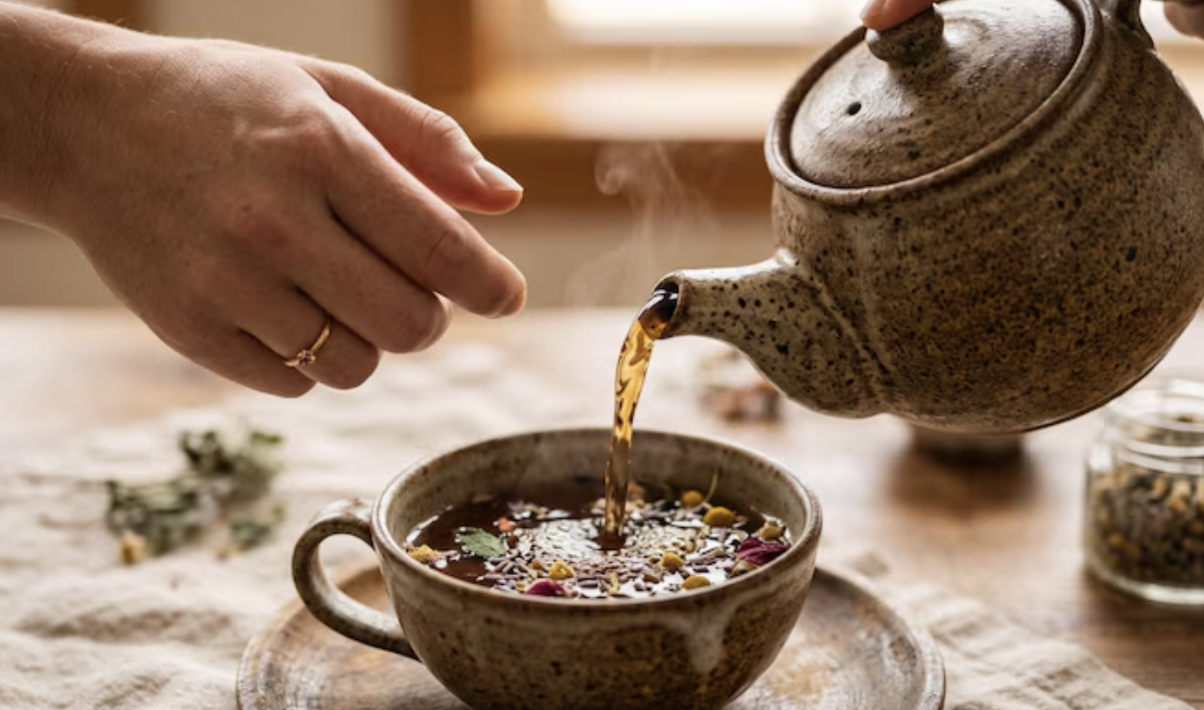
Tea has been enjoyed for centuries as a simple way to pause, refresh, and create a moment of calm. For many people, preparing a warm cup of tea is part of a relaxing daily routine, whether it is enjoyed in the morning, during an afternoon break, or before bed.
Some types of tea also contain compounds that have been studied for their potential effects on stress, mood, and relaxation. Green tea, for example, contains L-theanine, an amino acid that has received attention for its possible role in managing stress. Herbal teas such as chamomile are also traditionally used as calming beverages.
However, tea should not be viewed as a treatment for anxiety or insomnia. Research on relaxation varies considerably depending on the type of tea, the preparation, and the compounds being studied. Understanding these differences can help you make tea part of a balanced approach to relaxation.
Why Tea Can Be Part of a Relaxing Routine
One of the simplest benefits of tea is the opportunity to slow down. Preparing a cup requires a few minutes away from other activities, which can create a natural pause during a busy day.
This routine can become a form of mindful behavior. Instead of drinking something quickly while working, you can focus on the warmth, aroma, flavor, and experience of the beverage.
The relaxing effect may therefore come from more than the tea itself. Creating a consistent ritual can provide structure and encourage people to take regular breaks.
Tea is also generally a low-calorie beverage when consumed without large amounts of added sugar. Traditional teas contain plant compounds called polyphenols, while herbal teas contain compounds that vary according to their ingredients.
Green Tea and L-Theanine
Green tea is particularly interesting when discussing relaxation because it naturally contains L-theanine.
L-theanine is an amino acid found in tea leaves. Researchers have studied whether it can influence stress responses, mood, attention, and relaxation.
A systematic review published in Plant Foods for Human Nutrition examined randomized controlled trials involving L-theanine supplementation. The researchers found evidence suggesting that 200–400 milligrams per day may help reduce stress and anxiety under stressful conditions. However, they also noted that larger and longer-term studies are needed.
More recent research has continued examining L-theanine. A 2026 systematic review and meta-analysis included 31 randomized trials involving 1,168 participants. It found some effects on attention and other cognitive outcomes, while noting that the clinical relevance of L-theanine remains uncertain.
These findings are useful, but they should not be interpreted as proof that drinking green tea treats anxiety. The amount of L-theanine used in supplement studies may also differ from what someone obtains from an ordinary cup of tea.
Tea’s Combination of L-Theanine and Caffeine
Green, black, white, and oolong teas naturally contain caffeine because they come from the Camellia sinensis plant.
This creates an important distinction between tea and caffeine-free herbal infusions. While L-theanine has been studied for relaxation and stress, caffeine is a stimulant and may increase alertness.
Harvard’s Nutrition Source notes that traditional teas generally contain less caffeine than coffee, although amounts vary depending on the type and brewing method.
For some people, this combination can fit well into daytime routines because it provides a beverage associated with calm while still supplying caffeine. For others, caffeine can cause nervousness, restlessness, or sleep disruption.
The U.S. Food and Drug Administration notes that caffeine sensitivity varies between individuals. It also identifies 400 milligrams per day as an amount not generally associated with negative effects for most adults, although individual circumstances differ.
Chamomile Tea and Relaxation
Chamomile tea is one of the most commonly associated with relaxation and bedtime routines.
Chamomile has traditionally been used for several purposes, including anxiety and insomnia. However, scientific evidence does not fully support all of these traditional uses.
According to the National Center for Complementary and Integrative Health, preliminary research suggests chamomile supplements may help people with generalized anxiety disorder. However, the evidence remains inconclusive.
The evidence for insomnia is even less established. NCCIH reports that there is very little research on chamomile and insomnia, and a 2019 review found no benefit in the limited study available for that condition.
This does not mean chamomile tea cannot be part of a relaxing evening. Rather, its value may come from the overall ritual rather than a guaranteed sedative effect.
Herbal Teas for a Caffeine-Free Evening
Herbal teas are different from traditional teas. They are generally made from herbs, flowers, spices, fruits, seeds, roots, or other plants rather than Camellia sinensis. As a result, they typically do not contain caffeine.
This makes caffeine-free herbal infusions an option for people who want a warm evening beverage without the stimulant effects associated with traditional tea.
Common choices include chamomile, peppermint, ginger, and blends containing various herbs and spices. Their flavors can also make them enjoyable alternatives to sweetened drinks.
Still, “herbal” does not automatically mean “medicinal” or “risk-free.” Evidence for relaxation differs substantially between individual herbs, and some products can interact with medications.
For example, NCCIH notes that chamomile can cause allergic reactions, particularly among people allergic to related plants such as ragweed, chrysanthemums, marigolds, or daisies. It has also been reported to interact with medications including warfarin and cyclosporine.
Tea Can Encourage Mindful Breaks
Relaxation does not always require a special product or supplement. Sometimes, the most useful part of a routine is simply creating space to stop and pay attention.
Tea can naturally support this process. You might prepare a cup, sit somewhere comfortable, put your phone aside, and drink slowly rather than multitasking.
This approach resembles other relaxation practices that focus attention on the present moment. NCCIH notes that relaxation techniques such as progressive relaxation, breathing exercises, and guided imagery can form part of strategies for improving sleep habits.
Tea itself is not a substitute for these techniques, but it can become a cue to begin them.
For example, an evening routine could involve brewing caffeine-free tea, taking several slow breaths, dimming the lights, and spending a few minutes away from screens.
Creating a Relaxing Tea Ritual
A relaxing tea routine does not need to be complicated. Small changes can make the experience more intentional.
Choose the Right Tea for the Time of Day
Caffeinated green or black tea may be more appropriate earlier in the day if caffeine does not cause unwanted effects.
For an evening routine, caffeine-free herbal tea may be preferable. This is particularly relevant for people who notice that caffeine interferes with their sleep.
Pay Attention to Temperature
Tea is best enjoyed warm rather than extremely hot. Harvard’s Nutrition Source notes that regularly drinking very hot tea above approximately 55–60°C has been associated with increased risks of esophageal and stomach cancers.
Allowing tea to cool before drinking is therefore a simple precaution.
Keep Added Sugar Moderate
Tea can be enjoyed with honey, sugar, milk, lemon, spices, or other ingredients. However, frequent consumption of heavily sweetened tea can turn an otherwise simple beverage into a significant source of added sugar.
Plain tea or lightly flavored tea can be an easy choice when the goal is a simple, calming beverage.
Pair Tea With a Quiet Activity
A cup of tea can accompany activities that naturally encourage slower pacing. Reading, journaling, listening to quiet music, stretching, or simply sitting outside can all turn tea time into a short break.
Even food preparation can become part of a relaxed routine. For example, a cup of herbal tea can accompany a light snack inspired by Caribbean flavors, perhaps alongside food seasoned with Puerto Rican hot sauce.
The goal is not to create a complicated wellness ritual. It is simply to establish a moment that feels separate from the day’s demands.
Tea and Better Sleep: What the Evidence Says
Many people associate tea with bedtime, but not every tea is appropriate before sleep.
Caffeine can interfere with sleep for some people. The FDA lists insomnia and sleep disruption among the potential effects of excessive caffeine consumption.
For this reason, people who are sensitive to caffeine may want to avoid caffeinated tea later in the day.
It is also important not to assume that herbal tea automatically improves insomnia. NCCIH states that evidence for chamomile and other herbal products used for sleep is limited or inconsistent.
If persistent insomnia is affecting daily life, tea should not replace evidence-based treatment. NCCIH identifies cognitive behavioral therapy for insomnia, or CBT-I, as the most strongly recommended treatment for chronic insomnia.
Potential Benefits Beyond Relaxation
Tea can offer benefits beyond the relaxing experience associated with drinking it.
Traditional teas contain polyphenols, including catechins in green tea and theaflavins in black tea. Research has investigated these compounds for their potential relationship with cardiovascular and metabolic health.
However, much of the evidence concerning long-term health outcomes comes from observational research. Such studies can identify associations but cannot establish that tea itself caused a particular health outcome.
This distinction matters when evaluating claims about tea. A beverage can be a healthy part of a balanced diet without being a treatment or cure for a medical condition.
How to Make Tea Part of a Relaxing Lifestyle
The potential relaxation benefits of tea are best considered within the context of everyday habits.
A cup of tea may provide a useful pause, a pleasant sensory experience, and an opportunity to practice slower, more intentional behavior. Certain compounds, particularly L-theanine, are also being studied for their possible effects on stress and cognition.
At the same time, evidence remains mixed for many specific claims. Chamomile, for example, has promising preliminary research for anxiety but insufficient evidence to establish it as a treatment.
The simplest approach is to choose tea according to your needs and caffeine sensitivity. Enjoy it slowly, avoid drinking it extremely hot, and combine it with other healthy relaxation habits.
Tea does not have to promise dramatic effects to be useful. A few quiet minutes with a warm cup can be a practical way to create space for rest during an otherwise busy day.