All You Need to Know About Contact Lenses
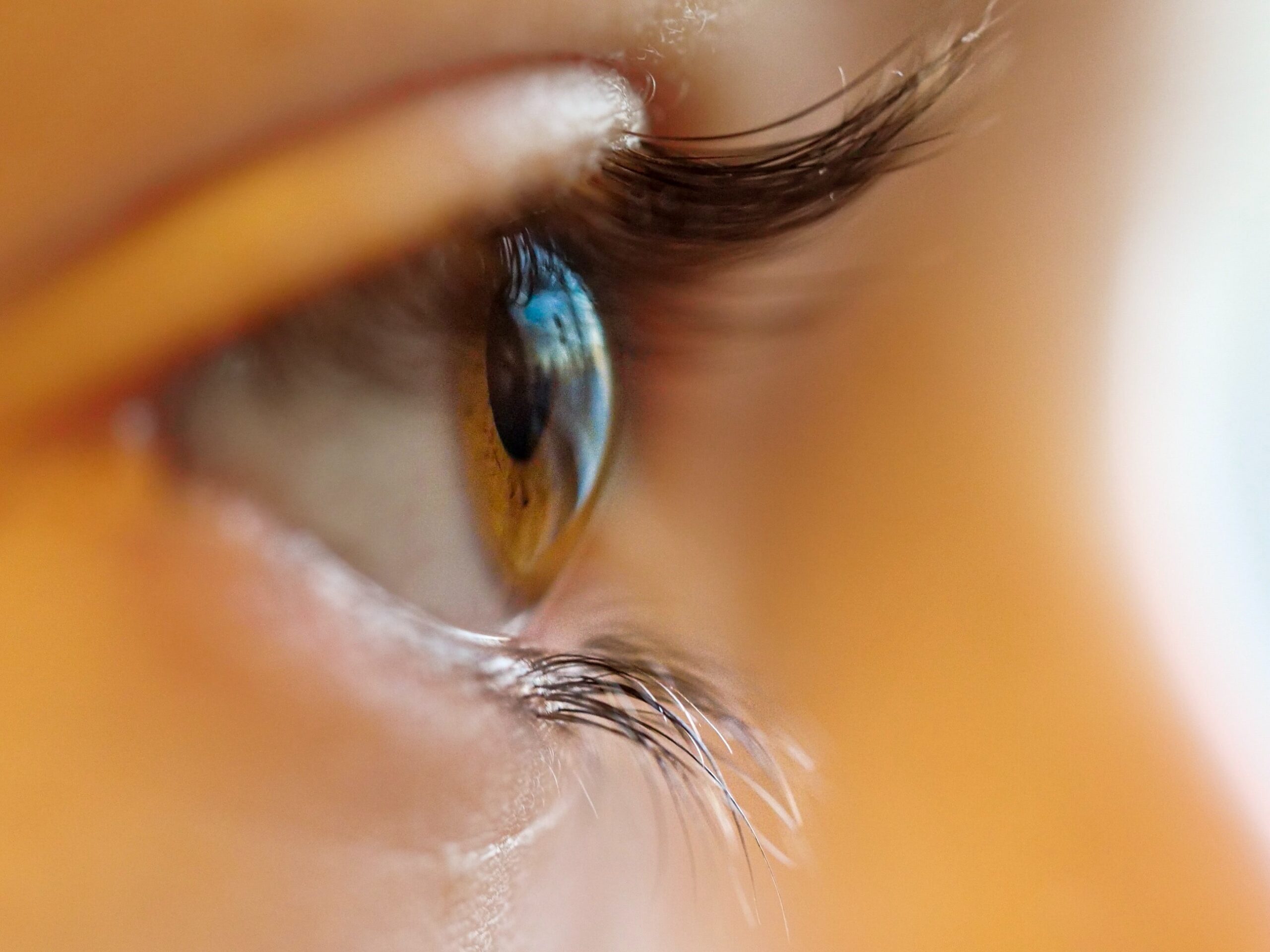 Are you thinking of getting contact lenses? If so, then you may want to consider taking a few minutes to learn all that you need to know about contact lenses. Taking out and putting in contact lenses can seem intimidating if you’ve never done it before, but don’t worry—it gets easier with practice. Soft contacts are the most common type of contacts, and if this is your first time using them, it might take a few attempts until you get the hang of it. There are tools available such as tweezers (not the sharp kind) and suction cups, that can help make taking them out easier. Let’s go over everything else you need to know about contact lenses.
Should I Get Dailies or Monthlies?
When deciding what type of contact lenses will be best for you, there are several factors that you should consider. Do you have an active lifestyle? Is comfort important? Do your eyes dry out easily? The answers to these questions can help determine whether dailies, monthlies, two-weeklies, or extended wear are the best option for you.
Dailies are disposable lenses that require no cleaning or maintenance between uses, and they’re generally considered the most comfortable option – great for those who lead active lifestyles. Monthlies are designed to last up to one month with proper care and maintenance between uses; however, they can cause discomfort due to deposits left on the lens surface. Two weeklies involve replacing your contacts every two weeks with proper cleaning and maintenance between uses; this is usually a great option for those who find their eyes drying out quickly with monthly lenses. Finally, extended-wear lenses can be worn while sleeping, but they typically need replacing after 2-3 weeks and come at a higher cost than other types of lenses.
Prevent Your Eyes from Drying Out
Dry eyes are a common problem among those wearing contacts, and cold weather can aggravate this issue even further. To reduce the chances of your eyes drying out when wearing contacts, make sure that your home environment is humidified as much as possible in winter months, use protective glasses when outdoors, avoid smoky places, keep blinking regularly throughout the day, use eye drops regularly, and always remember to remove your contacts before going to bed.
What You Shouldn’t Do With Your Contacts
It’s important to remember that contact lenses are medical devices, so special care needs to be taken when dealing with them – even more so during winter months. Never swim in lakes or pools while wearing contact lenses as waterborne parasites thrive in these environments; never expose your lenses directly to heat sources such as hair dryers or radiators; never expose them directly to air conditioning vents either, as these can dry out your eyes quickly; never share your contacts with anyone else (including family members) – even if they have the same prescription. And finally, never forget that hygiene is key when handling contact lenses – wash hands thoroughly before touching them, clean them properly every day (even if they’re disposable) and replace them regularly according to instructions given by your optician/ophthalmologist.
Wearing contact lenses comes with many benefits, including improved vision without having bulky glasses frames obstructing the view or causing discomfort – especially during cold weather months – but it also comes with responsibilities too. Following basic hygiene practices, such as washing hands frequently before handling them as well as remembering not to share contacts while ensuring optimum comfort by choosing the right lens type for any activity, are all essential steps towards success when using contact lenses safely and effectively during wintertime.