A Look at Some of the World’s Largest Animals
Have you ever wondered what it would be like to come face-to-face with some of the biggest animals on earth? Wildlife has always been fascinating to observe, and now you can get an up close look at some of the largest animals that roam our planet. Ever since the days of Ancient Greeks, when stories were told about creatures such as elephants and rhinoceroses roaming through vast expanses of land, people have loved learning more about these giant mammals.

An Overview of the Biggest Creatures on Earth
The world we live in is home to an incredible array of creatures, but none quite so impressive as the biggest ones. From the mighty blue whale to the towering African elephant, these giants inspire awe and wonder in all who witness them. These creatures remind us of just how vast, complex, and beautiful our planet truly is. But they also highlight the importance of protecting our natural world and the species that call it home. It’s a privilege to share our planet with these remarkable creatures, and we must do everything in our power to ensure their survival for generations to come.
The Largest Land Animals – Elephants, Rhinoceroses, and More
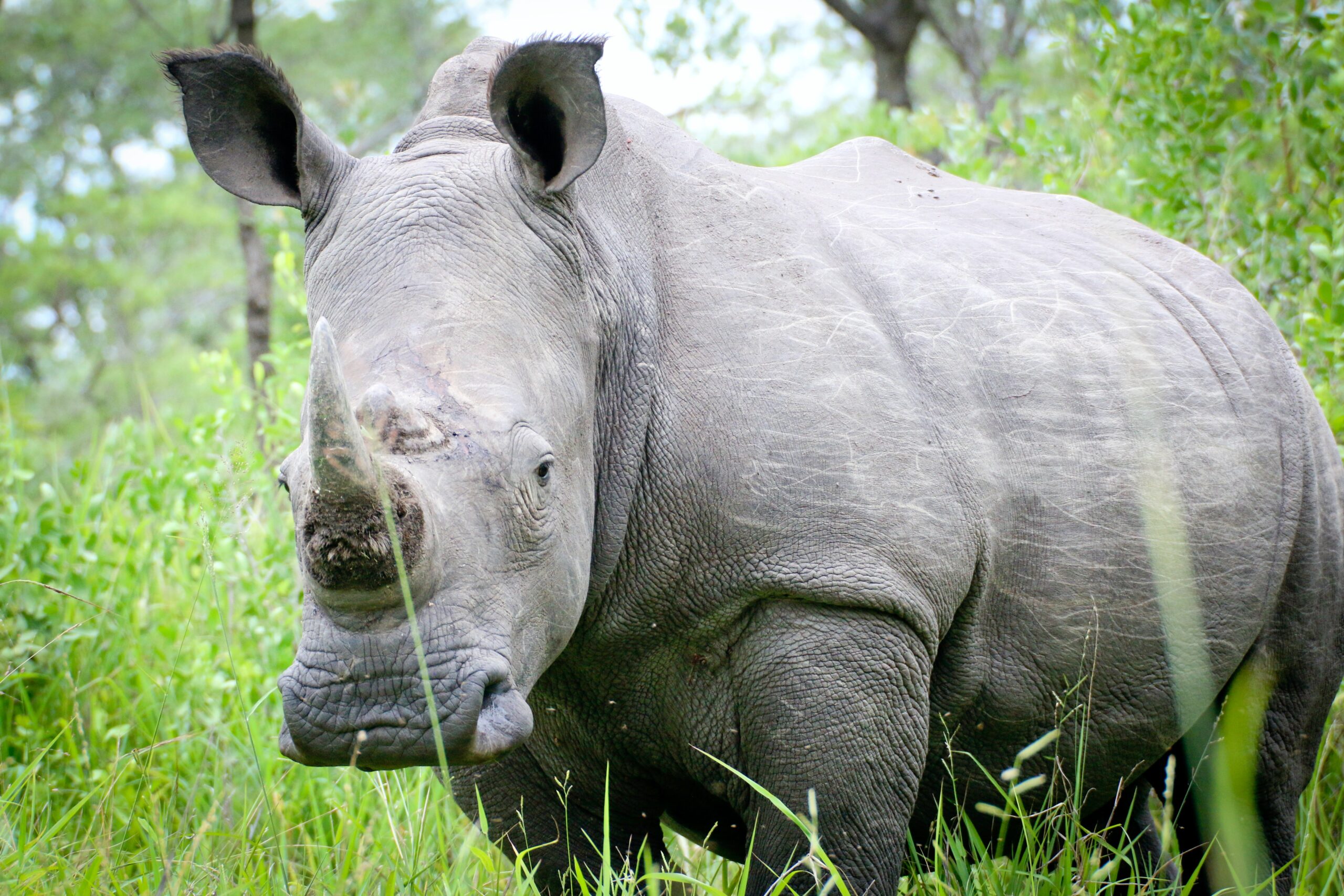
The largest land animals are truly awe-inspiring creatures. Elephants, rhinoceroses, hippos, and even the mighty giraffe all hold a place among these colossal animals. Their size alone is enough to leave us speechless, but their impressive strength and incredible capabilities are what make them true marvels of the natural world. Elephants, for example, are known for their intelligence, social behavior, and remarkable memories. Meanwhile, rhinoceroses are among the most ancient creatures alive today, having roamed the earth for millions of years.
The Heaviest Sea Animals – Whales and Sharks
The ocean is home to some truly massive creatures. Among them are whales and sharks, two of the heaviest sea animals. These majestic beasts can inspire feelings of awe and wonder in anyone lucky enough to catch a glimpse of them in their natural habitat. There are plenty of interesting whale facts such as that whales are known for their immense size, with some species weighing in at over 200,000 pounds. Meanwhile, sharks can tip the scales at more than 20,000 pounds. Despite the stark differences between these animals, they both occupy a special place in our collective imagination. Some view them as powerful symbols of the ocean’s strength and beauty, while others see them as fearsome predators to be feared and respected.
Unusual Species That Defy Expectations – Giant Anteaters and Flying Foxes
The animal kingdom is filled with a variety of unique and interesting creatures that never cease to amaze us. Two examples of such unusual species are giant anteaters and flying foxes. Giant anteaters, known for their long snouts and tongues, are the largest of the four anteater species. Despite their size, they are not aggressive towards humans and survive mainly on a diet of ants and termites. On the other hand, flying foxes, also known as fruit bats, are the largest bats in the world, with a wingspan of up to six feet. Despite their name, they don’t fly but rather glide through the air with their bat-like wings.
Exotic Wildlife to See in the Wild – Giraffes, Zebras, and Penguins
Embarking on a wildlife adventure is an unforgettable experience that allows you to witness stunning creatures in their natural habitat. If you’re searching for exotic wildlife to observe in the wild, consider setting your sights on giraffes, zebras, and penguins. Imagine standing mere feet away from a towering giraffe, watching as it gracefully strides across a vast open field. Witnessing a herd of sleek and striking zebras in their distinctive black and white stripes blending harmoniously into their surroundings is a wildlife lover’s dream come true.
How Climate Change is Affecting These Animals
Climate change is an issue that is affecting various aspects of the environment, including wildlife. Many species are struggling to adapt to the changing climate, one of them being the polar bear. The Arctic is warming up twice as fast as the rest of the planet, causing sea ice to shrink. As a result, polar bears are losing access to their primary food source, seals. This results in significant weight loss, decreased reproductive rates, and even death due to starvation. Another animal at risk is the monarch butterfly. Temperature shifts are disrupting their migration patterns and causing them to arrive at their destination too early or late, resulting in a lack of available food.
 By considering the size and weight of the largest creatures on Earth, we can come to appreciate the sheer beauty and power of nature. We see how vast the world is, and recognize both the diversity and fragility of life on this planet. It is our responsibility to protect these majestic creatures so that future generations will be able to continue enjoying them as we do today.