A Comprehensive Guide to Using Japanese Herbal Teas for Relieving Stress and Anxiety

Tea plays a great role in Japanese culture, and there’s a good reason why that’s so. Although tea originally came from neighboring China, Japan has elevated it to a unique cultural status. The importance of Japanese tea culture goes beyond its calming attributes, encompassing rich traditions and practices deeply intertwined with Zen Buddhism, Japan’s primary religion alongside Shinto. However, it wouldn’t be deemed inappropriate to note that one of the cherished benefits of Japanese herbal teas is their ability to soothe and relax.
In this guide, we’ll explore how to use Japanese herbal teas to relieve stress and anxiety. We’ll provide you with a comprehensive understanding of their benefits and usage. Stay tuned for an enlightening journey into the mesmerizing world of Japanese tea culture.
A brief yet interesting history of Japanese tea culture
Let’s explore why tea is special in Japanese culture and how its consumption evolved into a unique cultural tradition closely tied to Zen Buddhism.
Origins
Tea first arrived in Japan during the Heian period (794-1185). It was brought by the monk Saisho from China. The culture truly blossomed with monk Eisai (1141-1215), who planted tea seeds on the island of Kyushu. Eisai’s medicinal use of tea and Zen-like preparation influenced the Japanese tea ceremony, laying the foundation for its enduring principles.
Expansion and innovation
In Kyoto (then – the capital of Japan), monks expanded tea cultivation, integrating it into meditation practices. By the 16th century, the introduction of shading techniques for growing Matcha tea (powdered tea made from leaves grown in shaded conditions) and Gyokuro revolutionized tea production. During the Edo period, the isolation policy (1639-1853) led Japan to innovate independently, with Soen Nagatani pioneering the steaming method in 1738, preserving the freshness of green tea leaves.
Tea ceremony and modern era
The 16th century formalized the art of the tea ceremony, reflecting Japan’s Zen principles. The tea ceremony is more than just serving and receiving tea. It’s about guests enjoying the host’s hospitality in a calm and peaceful setting, away from the rush of daily life. Throughout the Edo period, tea became a beloved beverage that people from all walks of life enjoyed. Today, tea types like Bancha, Sencha, and Matcha are enjoyed widely in Japan and worldwide.
Fascinating facts behind the soothing effect of Japanese herbal teas
Japanese green tea (packed with L-theanine, an amino acid known for its stress-reducing properties) offers a calming effect that makes it an excellent choice for people to unwind after a long day. Especially abundant in green teas like Gyokuro, which are, like Matcha, grown in shaded conditions, L-theanine content is heightened due to reduced sunlight exposure stimulating chlorophyll production. So, consuming Japanese herbal tea is one of the most natural ways for reducing stress and anxiety, as there are no artificial stress-relieving additives in it. However, it’s important to remember that sometimes, nature alone isn’t sufficient. Therefore, if feelings of stress and worry become a daily companion, seeking professional help is advisable.
Using Japanese herbal teas for relieving stress and anxiety
Let’s explore how to use Japanese herbal teas to alleviate stress and anxiety in today’s fast-paced world and discover which varieties are most effective.
A precious (anti-stress) rose: Gyokuro tea
Gyokuro tea (among other things, meaning precious rose in Japanese) stands as a revered green tea cultivated on the island of Kyushu (that’s exactly where the first tea seeds were planted in Japan). Unique in its production, Gyokuro tea undergoes a shading process with tarps or arbors for three weeks before harvest. Shading enhances chlorophyll and L-theanine levels while reducing tannins. The final result is a beverage with a sweet, mild flavor and rich umami notes similar to seaweed.
Amazing stress-relieving qualities of Gyokuro tea
Gyokuro tea offers more than just its delightful taste. It’s celebrated for its health benefits, particularly its ability to reduce stress. The high content of L-theanine, an amino acid well-known for its calming effects, combined with caffeine, promotes relaxation without the drowsiness often associated with artificial relaxants. This combination helps to alleviate anxiety and improve mental clarity, making Gyokuro an ideal choice for moments of calm and focus amidst the fog of daily challenges.
A hassle-free preparation of Gyokuro tea
Brewing it with care is essential to appreciate Gyokuro’s nuanced flavors and stress-relieving properties fully. Trust us, it’s not that complicated:
- Use simmering water at around 70°C (158°F), as boiling water can scald the delicate leaves, resulting in a bitter taste.
- Steep Gyokuro for about 3 minutes to achieve a balanced infusion. Adjust steeping time based on personal preference, as longer steeping may intensify the flavor palette.
- Once brewed, savor Gyokuro slowly to enjoy its smooth texture and lingering umami notes. This here-and-now approach enhances the tea-drinking experience, promoting relaxation and mindfulness.
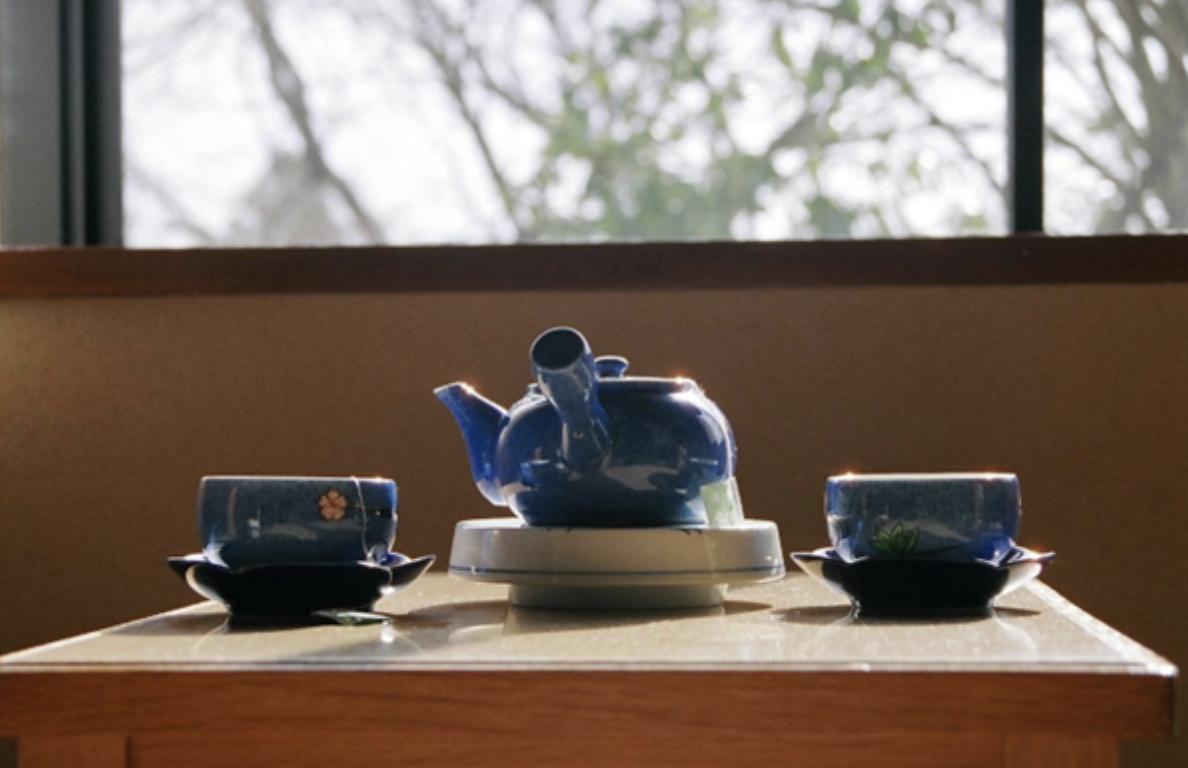
The world-famous rock teas: Yancha
Also known as Wuyi Rock Tea, Yancha comes from the Wuyi Mountains in Nanping Prefecture, a UNESCO-recognized area renowned for its biodiversity. Yancha teas, cultivated amidst these breathtaking landscapes, are carefully harvested in tiny quantities to preserve the vitality of the tea plants. Their appeal lies in a distinctive chocolatey and earthy aroma, complemented by a complex flavor profile shaped by the region’s specific climate and soil conditions.
Rock tea serenity (rhyme not intended)
Among other health benefits, Yancha teas are renowned for their exceptional relaxation qualities. Yancha is a great option for reducing everyday stress because of the calming impact of the balanced amounts of caffeine and L-theanine, which are also present in the abovementioned Gyokuro. Also, speaking of other health benefits, it boosts metabolism, promotes cardiovascular health and improves skin conditions. Its rich antioxidant profile contributes to overall well-being.
The “easiest” way to brew Yancha
Here’s how to brew Yancha until you master the craft and this tutorial becomes second nature:
- The water must be just below boiling, around 90°C (194°F), to steep the tea leaves. Steep for 1-2 minutes (for a lighter brew) or 3-4 minutes (for a stronger infusion).
- You should use approximately one teaspoon of tea leaves per 8 ounces of water (1 cup), adjusting according to personal preference.
- Explore different brewing methods, such as the Gongfu style for multiple short infusions or the Western style for a longer steeping time.
- As Gyokuro, enjoy Yancha in slow-mo to appreciate its robust flavors and soothing qualities. This tea is best enjoyed without milk or sugar to fully experience its natural complexity, allowing the intricate flavors and subtle notes to shine through. However, for those who prefer a creamier texture, a small splash of milk can be added, though it may soften some of the tea’s delicate nuances. Adding milk can create a smoother, more rounded taste.
Conclusion
While we’ve only touched on a few Japanese herbal teas today, this is a great introduction to Japan’s rich tea culture. As you pay more attention, you’ll discover how Japanese tradition encourages mindfulness and appreciating every detail of our surroundings. Embracing the present moment enriches our lives to the fullest extent possible.
References:
https://en.wikipedia.org/wiki/Tea_culture_in_Japan
https://www.chadotea.com/blogs/blog/origins-of-japanese-tea
https://www.kusmitea.com/int/gyokuro-tea-japanese-green-tea.html