7 Things To Think About Before Building Your Business Fleet
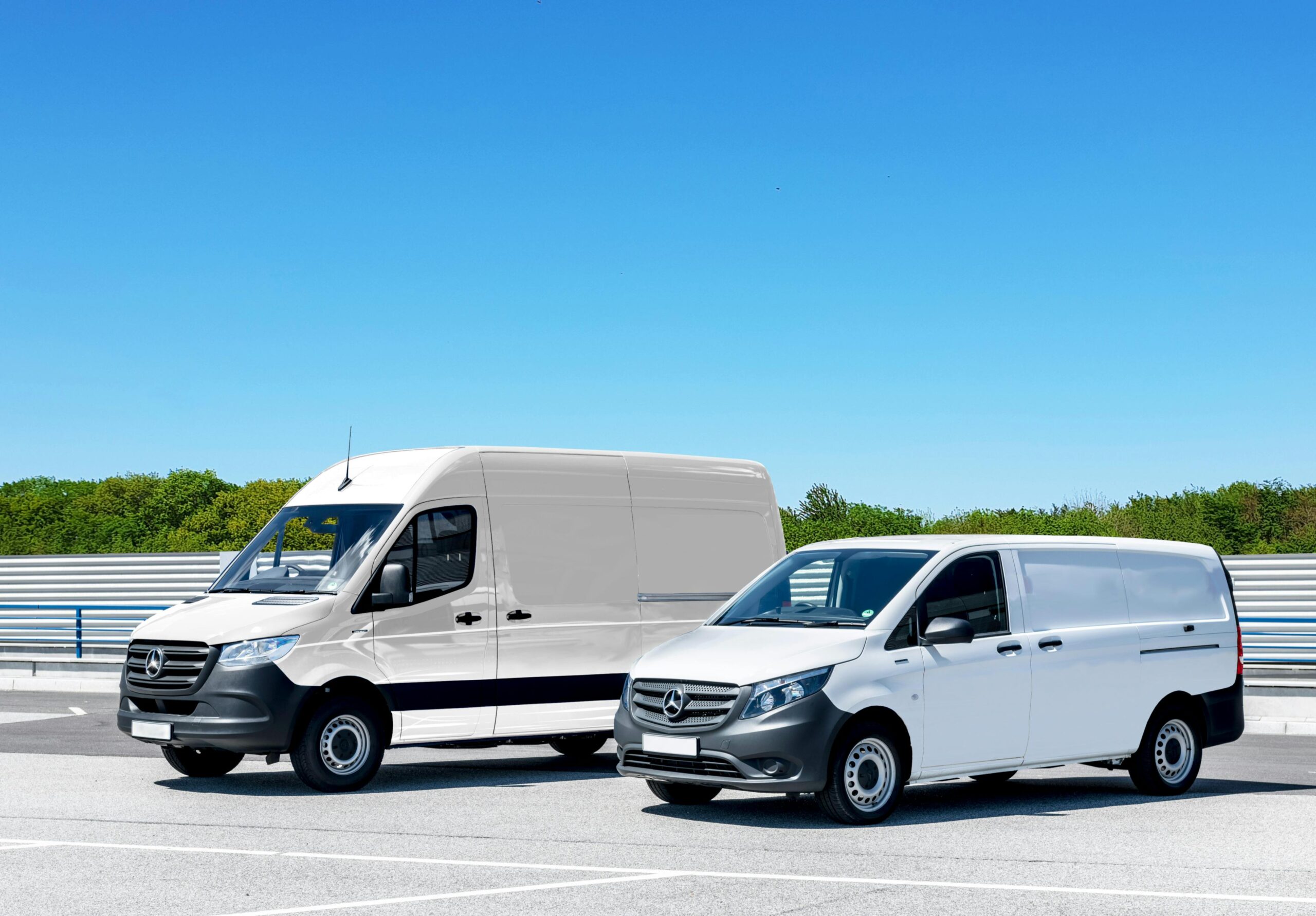 Building a business fleet sounds is one of those things you think will be pretty simple, but when you start doing it, you quickly find out that there is a lot more to it, and many things to consider, if you want to get it right, and not only not waste money, but also ensure that your business vehicles really do meet your company’s needs. That being the case, let’s look at some important things you should consider before you start your fleet.
- Purpose: Is This Fleet Even Necessary?
Let’s start with the obvious question: Why on Earth do you need a business fleet in the first place? It might seem like a no-brainer—more vehicles, more deliveries, more brand recognition, right? But think carefully about whether these vehicles will truly add value to your operation. If you’re setting up a mobile smoothie bar at festivals each weekend, a fleet of 50 lorries might be a tad excessive. Figure out the key tasks your vehicles need to perform, whether that’s transporting goods across the country or simply zipping to local trade fairs. Defining your purpose will guide everything else, including budgets, staff, and which type of vehicles you end up choosing.
- Budget Bloopers: Crunching the (Scary) Numbers
Ah, budgets—the grown-up version of checking for monsters under the bed. Before you commit to any purchases or leasing contracts, you’ll want to know exactly what you can afford. Factor in not just the cost of the vehicles themselves, but also insurance, tax, servicing, fuel, and the occasional unplanned crisis (like a pigeon deciding your shiny new bonnet is the perfect landing strip). A single neglected maintenance job can set your bank account on fire faster than you can say “overdraft.” If you’re prone to turning a blind eye to extra costs, don’t. Tally them up, keep a rainy day fund, and perhaps resist the urge to blow it all on that fancy upholstery.
- Choosing the Right Vehicles: From Vans to Semi Truck Brands
Next, think about your fleet’s stars of the show—the vehicles themselves. Are you after compact vans for local deliveries, electric cars for your sales team, or perhaps you’re dabbling in larger HGVs for big projects? If you require heavy hauling, consider exploring various semi trucks brands to see which one fits your needs. Different brands offer different strengths, from better fuel efficiency to advanced safety features. Ask around, read reviews, and try not to be swayed by glossy adverts that make every model seem like the next best thing to a spaceship. Remember, a great design is lovely, but reliability is the real MVP (Most Valuable Purchase).

- Fuel: It’s Not Getting Any Cheaper
Unless you’ve developed a secret formula to run your vehicles on sunshine and positive vibes, fuel will be a perpetual line in your budget. Think about fuel efficiency from the get-go. If you’re running a fleet of 20 vehicles, those fuel costs will add up quicker than you can say “teatime.” Some modern vans and lorries are more eco-friendly, offering hybrid or fully electric options. Yes, these can be pricier upfront, but they might save you a small fortune on petrol or diesel in the long run. Plus, you’ll earn extra karma points for reducing your environmental footprint—always a crowd-pleaser.
- Insurance and Licensing: Paperwork Overload
Because nothing says “living the dream” quite like a towering stack of documents, you’ll need to sort out insurance and licences for your new fleet. This includes commercial vehicle insurance, possibly special permits for certain load types, and ensuring your drivers have the correct licensing. The complexities can make your head spin faster than a spin cycle on a washing machine, but it’s crucial stuff. Cutting corners on insurance or training can mean huge fines and endless headaches later. Do yourself a favour: consult a professional to ensure all your i’s are dotted and t’s are crossed.
- Driver Recruitment and Training: Humans, Not Robots (Yet)
Robots might take over eventually, but until then, you’ll need actual human drivers. Shockingly enough, the ability to parallel park an articulated lorry isn’t a skill everyone picks up on a lazy Sunday. Think about the calibre of drivers you need. Do they need to be specially certified? How will you test their knowledge on safety and efficiency? If you’re offering driving as a full-time role, be prepared to shell out for ongoing training sessions. Skilled drivers can reduce fuel costs, minimise wear and tear, and help avoid costly accidents—making that initial training investment well worth it.
- Technology: Because We’re All Tech-Savvy Now (Sort Of)
Gone are the days of scribbling down mileage on a piece of paper and hoping you’ll remember where you put it. Modern fleet management software can track everything from fuel usage to driver routes, providing insights that can save you time and money. GPS tracking can help you dispatch drivers more efficiently and even alert you to dodgy driving habits (like that one driver who thinks speed limits are “just suggestions”). Embracing a bit of tech might seem daunting, but the benefits often speak for themselves: improved safety, better scheduling, and a satisfying sense of control over your logistical empire.
Ready, steady, fleet!