
5 Ways You Can Reduce Your Energy Bills In 2022
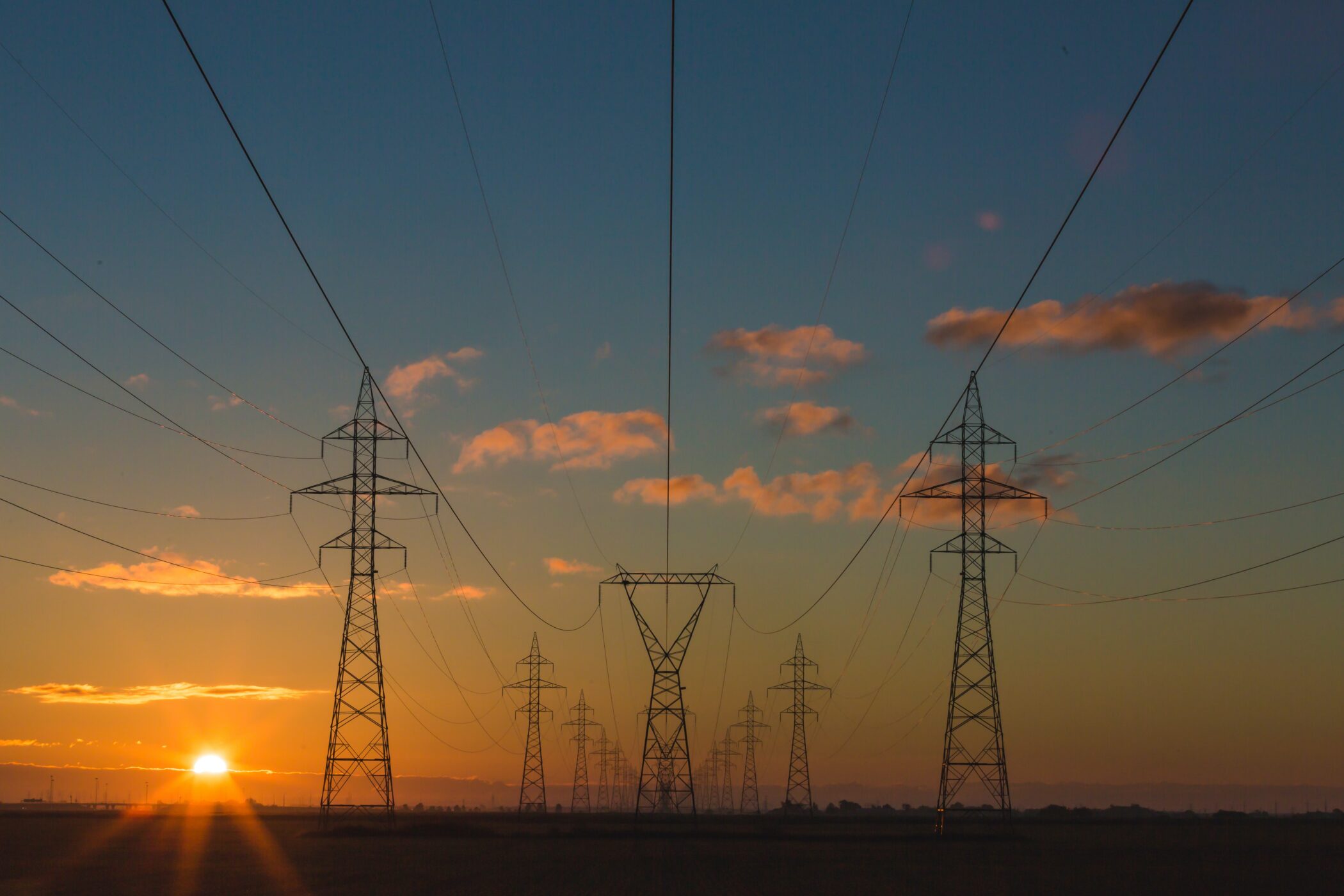 Recent energy cap announcements revealed that millions of households in the UK will have to pay hundreds of pounds a year more on energy from April 2022. While some help has been offered by the government in the form of a £200 repayable ‘discount’ on bills from October, for many it will come too late as the cost-of-living crisis continues to grow. To help you act today, we’ve put together a list of 5 ways you can reduce your energy bills in 2022 to make the price increases more manageable.
Keep a closer eye on your energy levels
Modern technology makes it easier than ever to keep a watchful eye on your energy consumption levels. Doing so will help you decide what sort of changes you need to make so you can lower your bills. For example, if you have radiator valves, they can be used to limit the heating supplied to rooms that are not used as much during the day – such as the hallway – lowering heating costs.
For the past few years, energy suppliers have been encouraging people to install smart meters, as they provide real-time information about your energy usage. They will give you a more accurate view on where energy is being used and the times of day it is being consumed, so you can make the necessary changes. In 2019, a report from Smart Energy GB – who oversee the smart meter awareness campaigns – found that 85% of households with smart meters installed made changes to their energy usage that resulted in them making savings. You will not have to pay for your smart meter as they are completely free to install, and the cost is shared by all consumers.
Lower your thermostat temperature
Turning down your thermostat by one degree may not feel like it will make much of a change. However, the difference to your bill will become noticeable over time. Energy experts at uSwitch say that you can save up to £80 a year by lowering the thermostat temperature by just one degree.
Of course, not everyone has a thermostat installed, so if you are using an electric heater instead, it is a good idea to use a timer to help you save energy. You might also want to consider investing in thermostatic radiator valves that will give you much more individual control over every radiator they are installed on. They will help you heat your home more efficiently and save you money in the process.
Consider installing a heat pump system
The Energy Saving Trust expect that heat pumps will not only become the cheapest form of heating available, but also the most environmentally friendly.
If you are new to the idea of heat pumps, they are a renewable energy solution that can be used to provide heating and hot water for your home. They work by capturing thermal energy (heat found in the air) and moving it inside. The system is powered by electricity, but the quantity of electricity used to generate power is far less than the quantity of heat it delivers into your home. For example, a heat pump with a Coefficient of Performance of 3.0 will provide 3 units of heat for every unit of electricity it consumes.
Heat pumps do not directly burn any fuel, so emit no carbon dioxide into the atmosphere, making them one of the most eco-friendly heating systems around. The amount of money you can save on your heating bills depends on a variety of factors, such as your electricity tariff, the type of fuel you are replacing and its costs, the type of heat pump you are installing, where you live and the average annual air or ground temperatures. Most heat pump installations fall into the ‘permitted development’ category, so you do not have to seek planning permission – although you should always double check with your local authority before making any financial commitments, as there are some exceptions.
Review your water usage
When we think about energy usage, heating tends to dominate the conversation as it is in use for several hours a day. However, our boilers also ensure we have access to hot water when we need it, so when thinking of ways to reduce your energy bills, water consumption also has an important role to play. For every minute a tap is running it releases 3 litres of water, so the more your turn it off, the more money you will be able to save.
There are a variety of simple and effective ways you can be smarter about your water usage. For example, instead of running the tap to wash the dishes, fill up a bowl of warm water. This means you use less hot water from the tank and while it may not initially seem like a big deal, implementing small changes like this will really add up across the year. The Energy Saving Trust say that doing this twice a day to wash your cutlery and plates can cut metered water costs by £30 and annual gas bills by £25.
Wash clothes at a lower setting
According to the Energy Saving Trust, if you wash clothes at 30 degrees over the course of a year you use around 40% less electricity, compared to washing at higher temperatures. While clothing labels recommend certain materials are washed at set temperatures, modern washing powders and detergents work just as effectively at lower temperatures, so you won’t notice a difference in the quality of the wash, unless the clothes have heavy stains that need to be removed (you can always use stain removal products to help with this).
That doesn’t mean you should never use hot water washes, but if you can reduce the number of times you use them you stand a much better chance of lowering your energy bills. It’s also a good idea to wait until you have a full load before putting on a wash as fewer weekly washed will use less energy.


