5 Signs Your Winch Switch Needs Replacing
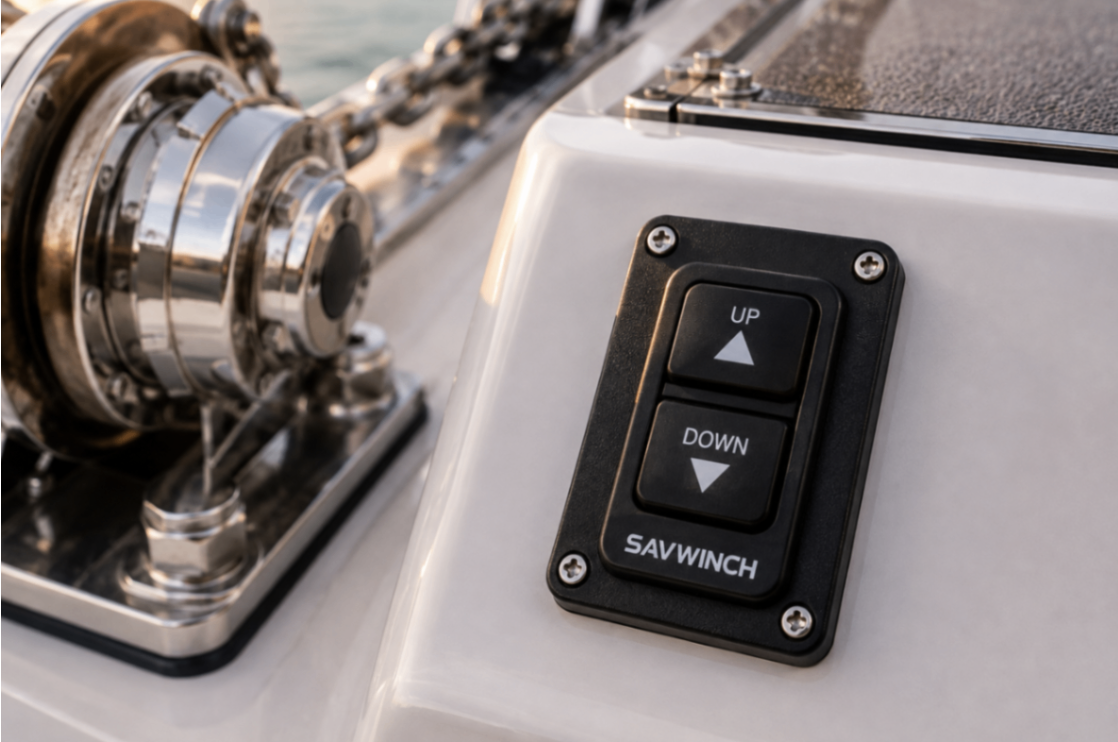
Key Highlights
- This comprehensive guide shows five clear signs your winch switch may be failing.
- You will learn how a worn switch can affect optimal performance and safe operation.
- The article explains key features across various types of winch switches.
- It also helps you pick the right type for your setup.
- Simple maintenance tips can reduce faults, corrosion, and wiring trouble.
Introduction
A faulty winch switch can turn a simple recovery or anchor job into a real problem. If your winch switch is slow, damaged, or unpredictable, your system may lose optimal performance when you need it most. This guide explains the warning signs and also covers various types of winch switches, so you can choose a safer replacement with confidence.
5 Common Signs Your Winch Switch Needs Replacing
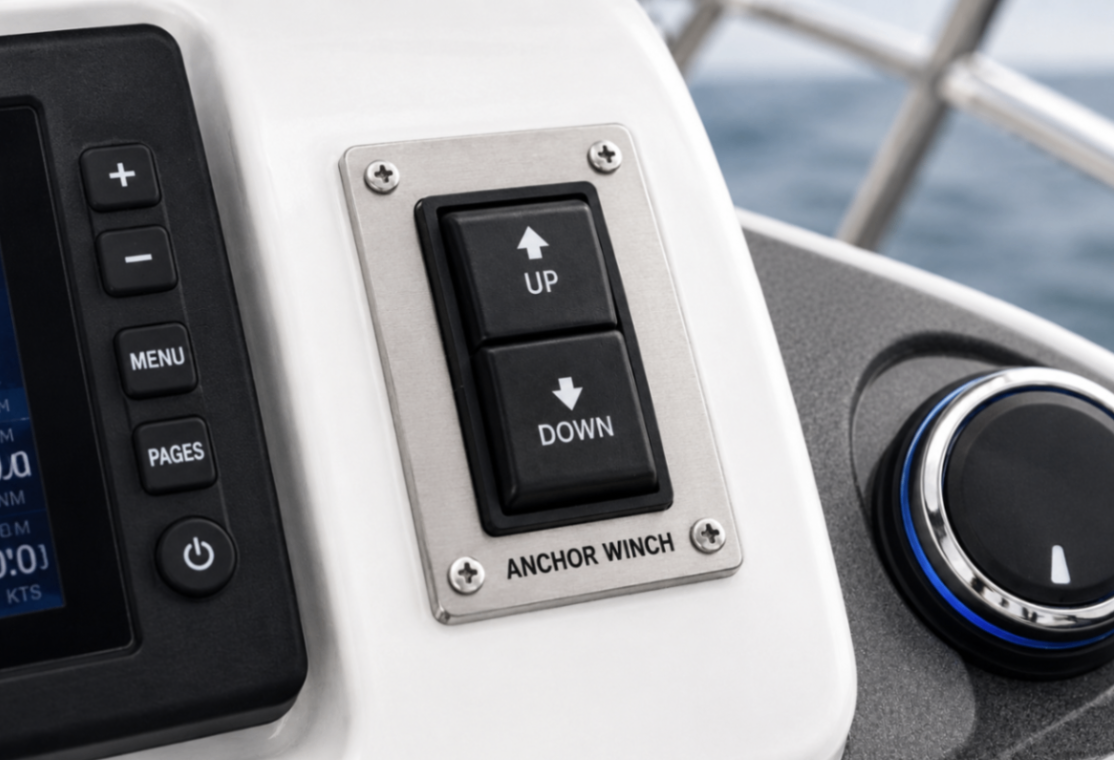
Some faults are easy to miss until the switch fails under load. That is why spotting early signs of fatigue matters.
A weak winch switch can raise the risk of accidents, especially when you rely on precise control. With a few maintenance tips and a focus on robust construction, you can catch trouble early. Start with the five signs below and compare them with your own setup.
1. Intermittent Response When Operating the Winch
If your winch works intermittently, the switch may be failing. The winch switch controls signals to the motor; when these signals cut in and out, performance suffers.
You might press the controller and get no response, then suddenly it works—making precise control difficult whether pulling a vehicle or handling an anchor.
Often, worn internal contacts or loose wiring are to blame. If moving the switch or connectors changes how it responds, that’s a strong warning sign.
2. Visible Damage or Corrosion on the Switch
Take a close look at the switch housing, terminals, and switch face. Cracks, faded plastic, and green or white build-up often point to corrosion. Even small surface damage can affect durability over time.
This matters more if your equipment works in tough conditions. Moisture, mud, and salt can get into gaps and weaken the contacts inside.
A simple check after outdoor use is one of the best maintenance tips you can follow. If cleaning does not restore smooth use, replacement is usually the safer option.
3. Winch Motor Runs Without Input
A winch motor should only run when you actively use the switch. If it starts, continues, or jolts without input, stop using it right away. This is not a minor fault.
Unwanted movement creates a serious risk of accidents. The line, hook strap, or winch drum can move when you are not ready, which affects safe operation.
The cause may be damaged internal contacts or faulty wiring that keeps the circuit live. In either case, the switch is no longer reliable and should be replaced before further use.
4. Sticking or Unresponsive Buttons
Buttons should move cleanly and return to position without force. If they stick, feel soft, or fail to respond, the switch is losing usability. That can quickly become frustrating in the field.
A poor controller interface creates distractions when you should be focused on the load. You may need to press twice or hold at an odd angle just to get movement.
That delay reduces precise control, especially during careful positioning. If the problem keeps coming back after basic cleaning, the switch is likely worn beyond practical repair.
5. Burning Smell or Overheating During Use
Heat and electrical smell should never be ignored. If the switch becomes hot or gives off a burning smell during use, something inside may be failing. A healthy unit should not overheat in normal operation.
This can point to poor contact, internal damage, or weak parts that no longer offer robust construction. Left alone, the fault can worsen very quickly.
It also raises the risk of accidents, especially during longer pulls. One of the most useful maintenance tips is simple: stop, disconnect power, and inspect the switch before using the winch again.
Different Types of Winch Switches Explained
Not every replacement works the same way. Various types of winch switches offer different control styles, layouts, and mounting options.
Some users prefer wireless switches for flexibility, while others want a fixed dash control. Each design has unique features, but compatibility still comes first. Understanding that balance helps you choose a switch with the right versatility for your equipment and working style.
Momentary vs. On/Off Winch Switches: What’s the Difference?
Momentary winch switches activate only while pressed, allowing for precise control during operation, making them ideal for tasks requiring short bursts of power. In contrast, on/off switches provide a simple toggle function for continuous use but lack the same level of control.
Choosing Between Rocker, Toggle, and Push-Button Switches
Your choice depends on where the switch sits and how you use it. In a 4×4 vehicle, access, glove use, and dash space all matter. A rocker switch often suits neat dashboard installs, especially if you want a standard DIN size look.
Others prefer a toggle switch for a more direct feel. A push-button can work well where space is tight or the controller layout is simple.
- Rocker switch: tidy fit, often good for a dash light circuit.
- Toggle switch: easy to flip, even with gloves.
- Push-button: compact and simple.
- Check switch face size, connectors, and wiring before buying.
Practical Tips for Selecting the Right Replacement Winch Switch
Choosing the right winch switch is not just about shape or price. You need strong compatibility with your system, including connectors and control style.
It also pays to think about durability if your setup faces moisture, dust, or rough handling. A careful check now can save time later. The next two points cover voltage matching and sealed designs, which many beginners overlook.
Matching Voltage (12V vs. 24V) for Your System
Start by checking whether your system is 12V or 24V. That basic detail affects compatibility and should never be guessed. A winch switch must suit the electrical setup it will control.
Can one switch work for both 12V and 24V systems? Only if its design and rating allow it. If that information is unclear, do not assume it will be safe.
A practical step is to compare the existing switch markings, wiring layout, and connectors before ordering. This helps you avoid poor performance, repeat faults, and installation trouble.
Considering Waterproof and Sealed Options for Outdoor Use
Yes, waterproof and sealed winch switches are available for outdoor use, and they are often the better choice for exposed setups. If your switch sits near spray, mud, or open weather, extra protection matters.
Moisture is one of the biggest causes of corrosion and early failure. A sealed unit helps protect internal parts when working in tough conditions.
Think about real use. A vehicle used for wet recovery tracks or a boat handling anchor tasks will benefit from better sealing. It is a practical upgrade, not an extra luxury.
Conclusion
In summary, recognising when your winch switch needs replacement is key to maintaining your winching system’s safety and performance. Signs like intermittent response, visible damage, or overheating should be addressed promptly to avoid costly repairs. Choose a compatible replacement to keep your equipment running smoothly. If you’re unsure which switch to select, contact us for a free consultation—our experts are here to help.
Frequently Asked Questions
Can I use a winch switch from a different brand or model?
You can, but only if compatibility is confirmed. Different types may use different connectors, wiring layouts, and accessories. Match the voltage, control style, and terminal setup first, or the switch may not work properly or safely.
What safety steps should I follow when replacing a winch switch?
Disconnect power before touching any wiring. Work in a clear area with no distractions, then check each connection carefully. One of the best maintenance tips is to test the switch in short bursts first, which supports safe operation and lowers the risk of accidents.
How do I install a new winch switch in my dash or control box?
Fit the new switch into the dash or control box opening, then reconnect the wiring to match the old controller layout. Make sure the interface feels secure and easy to reach, because good usability matters just as much as correct electrical connection.