5 Reasons Why Log Cabins Are Smart Investments for Land
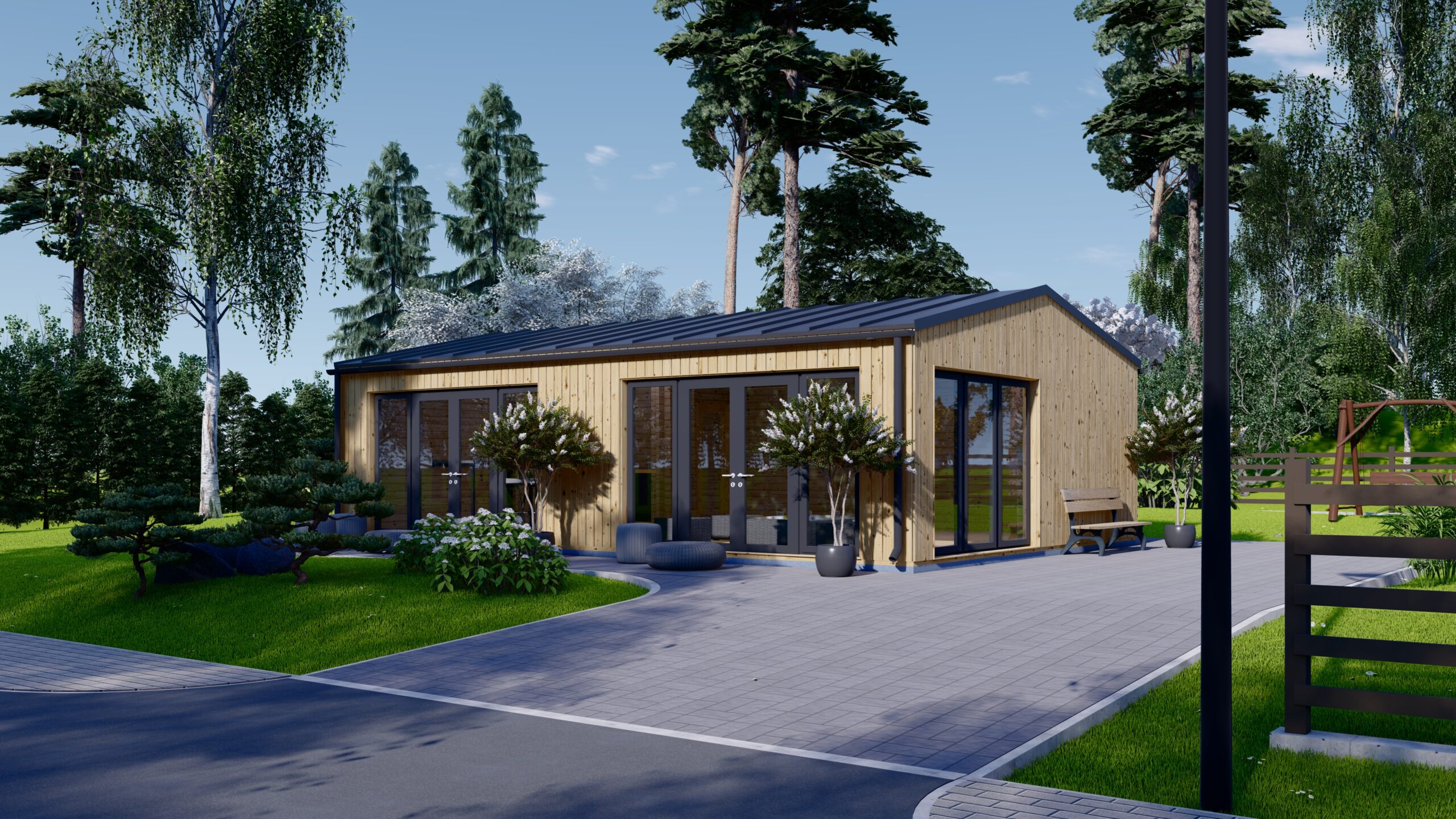 Rural property owners and investors in unimproved land are beginning to discover the value in log cabins as a way to increase their land value and cash flow. Log cabins are unmatched in their exceptional value, income generation, and appreciation potential, which exceed those of ordinary land improvements by a long shot. In this article, we will introduce you to what we refer to as The 3-Phase Wealth Building Model. This model demonstrates how log cabins produce wealth through an instant injection of equity, cash flow creation, and long-term appreciation enhancement. Building Wealth in 3 Phases Wealth begins to pile up the moment you build a log cabin on your country property. Introducing value-enhancing features provides an instant worth boost and increases the value of the property by 20-40%. The second phase of the wealth creation process is the cabin’s incredible cash flow potential. These cabins are ideal for short-term rentals and can provide strong annual returns.
-
How Do Log Cabins Offer Lower Construction Costs Compared to Traditional Builds?
Log cabins may cost less to build than a traditional house. The major element behind this saving is the kit type method of construction. How expensive is it to construct a log cabin? In 2026, it will cost on average about £79-£237 per square foot to build a log cabin. This includes costs of labor and materials. In contrast, a conventional house built of regular wood, known as a stick-built house, has costs of £118–£197 per square foot. You will observe the expenses to be quite similar; the log cabin is marginally cheaper. Prefabricated log cabin kits are designed to be economical and efficient to purchase and install. This is because on-site labour and construction time are kept to a minimum. This will dramatically lower your overall labour cost. The material price of these log cabin kits can be around £39–£63 per square foot. As a result, fewer workers are needed and construction can be completed more quickly. Log Cabins Need a Foundation You will need a foundation for your log cabin. Some designs will require a minimum slab, crawl space, or basement. It will lead to more savings in cost.
-
How Can Log Cabins Generate Faster ROI Through Short-Term Rental Income?
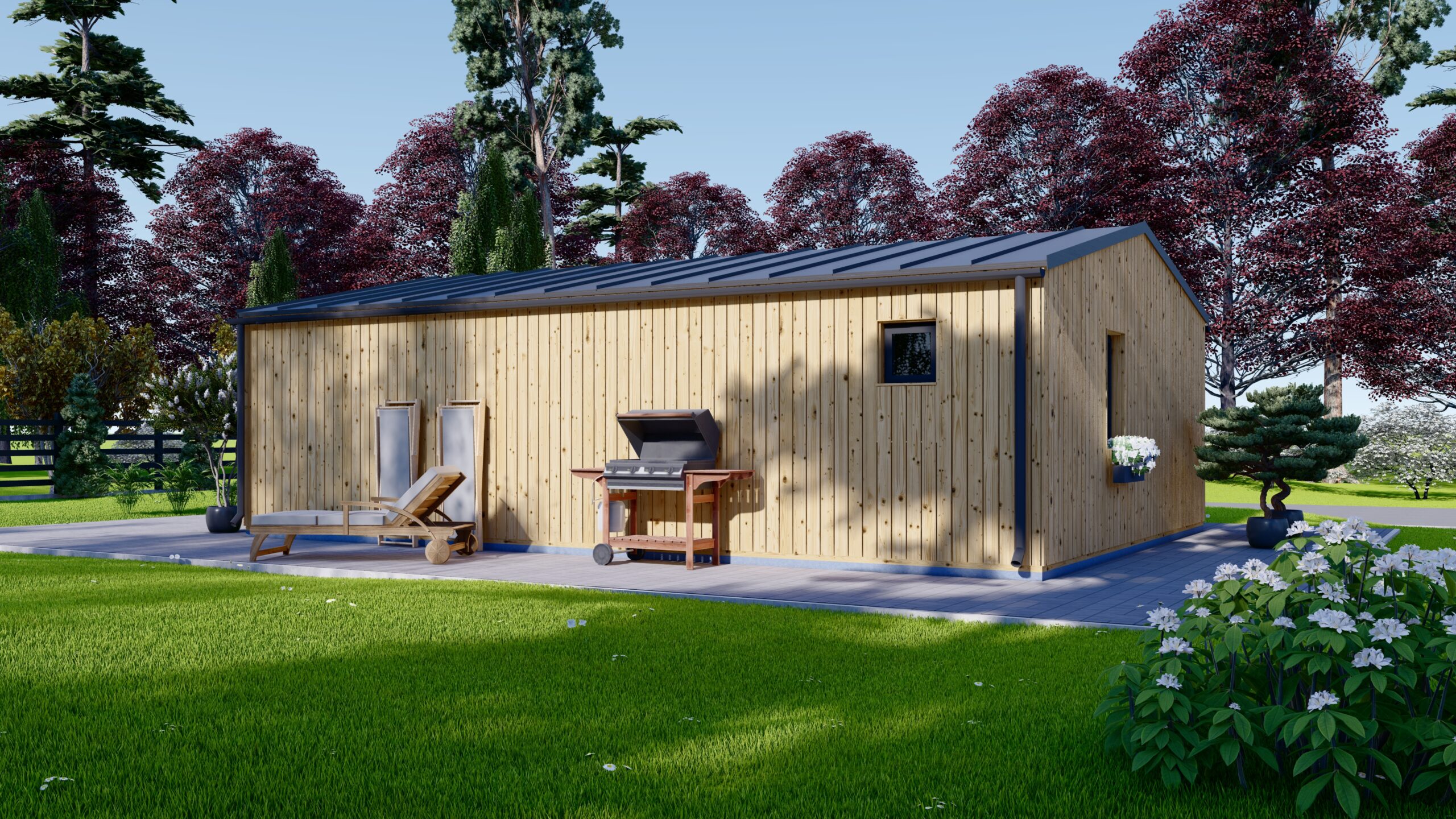
Fast ROI through short-term rental income can be generated using a log cabin. Due to the growing desire for distinctive experiences and genuine rural stays, log cabins can earn great revenue through Airbnb & VRBO. Booking data from rental platforms confirms that rustic cabins have always been among the most booked and fastest growing stays on Airbnb. A cabin property brings an average monthly profit of £2,212–£4,898. Airbnb and VRBO revenue figures generally reflect earnings after service fees, which are typically lower than the commissions charged by many alternative rental platforms. In rural areas, nightly rates for log cabins (850–2000 sq ft) are typically £111–£205. Usage patterns of rural cabins show seasonality. The occupancy levels generally range from 60 to 85% in peak seasons (fall and winter). Off-peak occupancy usually stabilisesaround 30–45%. VRBO has the most rural vacation rentals. For instance, 41% of VRBO’s total supply is rural as families & larger groups fully book it for longer stays to enjoy privacy & extras. A properly marketed cabin rental in a lucrative getaway region, like Gatlinburg, TN, can earn annual revenues of £43,797. The income gained from these rental cabins also enjoys significant tax advantages.
-
How Does Adding a Log Cabin Lead to Appreciation Potential as ‘Improved’ Property?
When you put a log cabin on your land, you put something there that raw land doesn’t have. This process turns raw land into improved land or improved property. It is worth mentioning that in certain cases, the value of vacant land is already going up as a whole. In 2026, for example, vacant land values in Broadneck and Pipe Creek grew by a median of 0.81%. It’s an increase that will vary by location and parcel. By contrast, the addition of a dwelling structure to your land will raise the total value of your land. Your value will likely go up by 20-40%. Consequently, it ushers you into the Immediate Equity Boost phase of the 3-Phase Wealth Building Model. When appraisers evaluate your improved property, it will make a difference if you have a cabin on the land versus raw land. Price Difference Between Land and Land with a Cabin. An appraiser will value improved land very differently from raw land. In other words, the land value of a piece of land that has good access, power, and water, and is suitable for use as a residence will exceed that of a similar parcel of raw land. What makes this so? It’s so the purchaser can use it for its intended purpose right away. Raw land is simply vacant rural property that has not been improved in any way. It may be zoned for agricultural, residential, or commercial use depending on the location. It does not include farmsteads or developed rural land.
-
Why Do Log Cabins Require Minimal Maintenance and Offer Long Longevity?
When they are constructed correctly and maintained properly, log cabins can last a very long time and need much less maintenance than houses. They can last for decades when properly maintained. Modern log cabins are designed to last 100 years or more, and some have lasted several centuries. Centuries-old log buildings can be found in parts of Europe. The “Long-Term Appreciation” component of the 3 Phase Wealth Building Model is covered here. Annual maintenance costs are approximately £1,185 to £2,765. The costs mentioned entail wood maintenance (sealant and stain) every 5–8 years. According to government figures, the upkeep of a traditional home would set you back £395 to £1185 per year. Log homes are less likely to incur substantial repair bills as compared to conventional homes. Your conventional home is likely to incur a cost of maybe £5,000every 2 to 4 years due to issues such as siding damage or water intrusion. Cut Back on Heating and Cooling Costs. To put it differently, the cabin will enjoy superior energy efficiency as solid logs have natural insulation. Solid logs help reduce heating and cooling costs because of their natural thermal mass.
-
How Do Log Cabins Offer Flexibility for Personal Use While Building Equity?
Log cabins give investors or owners the flexibility to use their investment as a private getaway as they enjoy building equity and generating income. The best option for a landowner who wants a cabin on their land but also wishes to derive income with it can do so. They can use the property as a weekend or holiday cottage. After that, they may lease the cabin as a short-term rental property. Hence, giving them multiple uses while also creating reliable cash flow from their investment. For log cabins, the transition options are just as popular as the mere fact that they generate cash flow immediately. Log cabins can serve many different purposes. An option for one of the popular transitions is that they can make a rental property. Consequently, you can rent the log cabin for a short or long term. You can also convert your log cabins to your main house, your retirement home and much more. When the owner of the land dies, the real estate is easily transferred to family members. In many cases, having a habitable structure on inherited land can simplify property transfers and provide immediate value. In addition, the presence of habitable buildings on bequeathed property with connected services greatly limits the arguments about the property.
Key Takeaways
- Log cabins have become the most widely requested land improvement among private landowners globally.
- Log cabins often require less investment to build than structures of equivalent size, especially if you buy a prefab kit.
- They are a cost-effective way to improve the land.
- Log cabins are great for earning excellent seasonal (short-term) rental income. Your potential profit could fall between £2,212 and £4,898, based on industry benchmarks. Adding a log cabin can significantly increase the value of raw land compared to typical vacant land appreciation.
Conclusion: Making Your Log Cabin Investment Decision
The purchase of a log cabin for your land is certainly a good way to create wealth, and the 3-Phase Wealth Building Model by David Butler would agree. In purchasing the log cabin, you could up your equity by having more on your land. By either short-term renting or long-term renting of the log cabin, you can create cash flow. By being the owner of an asset that generally becomes more valuable over time, you can create wealth through appreciation. The log cabin increases the value of your land. It produces a unique product that will probably increase in value over time and that you may rent out for a short or long period. When looking for a log cabin for your land, think about the weight of all factors together – zoning, utilities, access. Either go inexpensive and get a smaller log cabin, to test the market and confirm the demand, or go big and use all your funds to buy the perfect log cabin.

Frequently Asked Questions
How much does it cost to put a log cabin on my land in 2026?
The costs of constructing a log cabin will vary in 2026. For instance, the total cost range is A 500 sq ft small log cabin might cost £39,500–£118,500. A model with a size of £79–£237 per square foot. 1200 sq ft would cost £94,800 – £284,400 (including materials and labour). Regardless, these numbers may vary depending on location, materials, and labour costs.
Can I make money renting out a log cabin on my property?
Yes, a log cabin is a good short-term rental investment. You can earn a monthly profit ranging from £2,212 to £4,898 by building a log cabin of medium or large size. It costs just £111-£205 per night on average. During peak season, occupancy can hit 60–85%. VRBO features one of the largest selections of rural vacation rentals.
Do log cabins increase property value more than other structures?
Placing a log cabin on the property transforms it from unimproved land into improved property, which can significantly increase its value. The vacant land value was just 0.81% higher in 2026 in certain areas. Nonetheless, putting a log cabin on the property can raise land values by 20–40%.
How long do log cabins last and what maintenance do they need?
Properly maintained log cabins can last 100 years or more. Routine maintenance includes inspecting the logs, resealing and staining the wood every 5–8 years, and checking for moisture or pest damage.
What is the best size log cabin for investment purposes?
Investors should note that the size typically considered ideal for investments is anything between 800–1,200 sq ft (74–111 m2) for log cabins. Many construction costs remain similar regardless of size. As a result, your costs will instantly increase if your cottage races to the 2,000-square-foot spec.
Do I need special permits or zoning approval for a log cabin?
Yes, much like any other permanent structure, a log cabin will require building permits and zoning approval. Depending on your state and county, requirements for a log cabin, including setback requirements, septic, well permits, and utility connections, can vary greatly.
Is a log cabin kit or custom build better for my land?
A log cabin kit is typically cheaper and more preferable for those with DIY skills. You can order the inexpensive materials online and get them delivered to your house. Additionally, these will facilitate faster installations as compared to the other options available. They are also one of the most affordable construction options. Custom log cabins are only suitable when you have something specific in mind regarding its design.
Can I live in my log cabin while renting it out part-time?
Certainly, log cabins make a wonderful option for personal use and rent. You can use your cabin on weekends and can also rent it out to others during peak season. This provides great flexibility. Be sure to document your trips accordingly as tax rules do apply for mixed use or part use properties.
What are the tax benefits of owning a log cabin rental property?
Smart tax incentives for log cabin lodges. In most cases, the law allows you to claim a depreciation deduction for the residential rental property over a span of 27.5 years. As the owner of a cabin rental, you can write off various operational expenses such as hedge trimming, cleaning, utilities, maintenance, insurance, and property taxes for many years.
How does log cabin insulation compare to regular homes for energy costs?
Due to their construction, log cabins are naturally warmer. The thermal mass is caused by the solid logs used to construct the cabin and their heavy strength. This helps keep temperatures cooler in summer and warmer in winter. As a result, overall energy costs can be reduced.