
5 Best Yearbook Makers for PTA Parents and First-Time Advisers (2026)
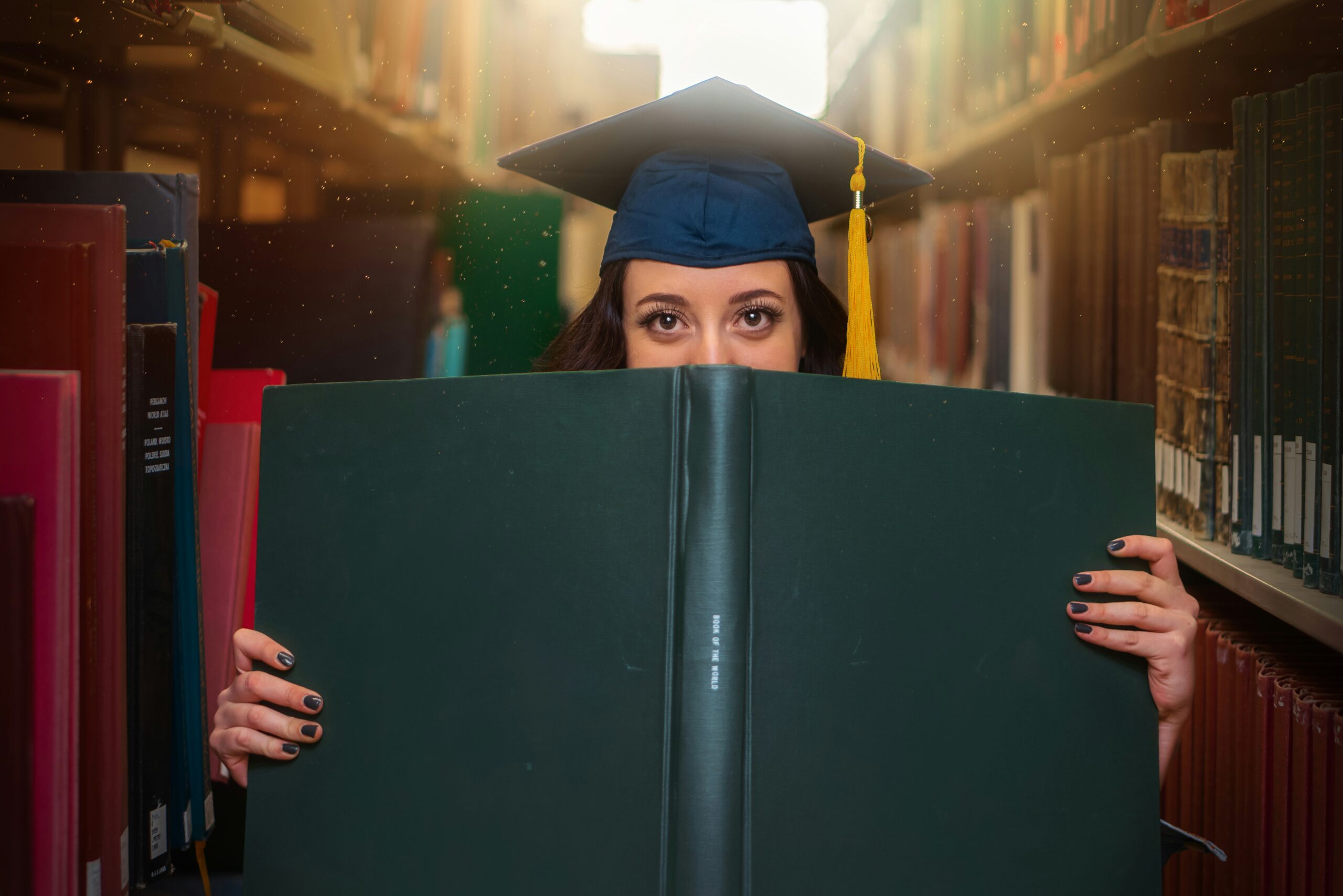
Nobody plans to run the school yearbook. You go to one PTA meeting, someone says the words “we still need a volunteer,” and suddenly you own a 60-page publication with a hard deadline and 200 families waiting on it. If that is you this year, the good news is that the yearbook makers built for parent committees have caught up. The hard part is working out which one actually fits a team of volunteers rather than a staffed school programme.
What actually matters when you are the one running it
Most comparisons rank yearbook platforms by how many fonts and stickers they offer. That is the wrong measure for a parent committee. Design features are the easy bit. The things that decide whether your spring goes smoothly are far less glamorous.
Minimum order quantities come first. Plenty of providers want a commitment of 25, 30 or 50 books before they will print. If your school has 140 pupils and nobody has ever sold a yearbook there, that minimum is real money sitting on the PTA’s books, and the treasurer will be the one carrying the risk.
Contracts and fixed deadlines matter almost as much. Traditional publishers work through sales reps, signed agreements and locked submission dates. That structure suits a secondary school with a timetabled yearbook class. It punishes a volunteer team that loses a fortnight to half term and another week to a chickenpox outbreak.
Then there is collaboration. One person should never be the single point of failure on a project of this magnitude. Ask specifically whether several people can be inside the file, and whether they can work at the same time or have to take it in turns.
Photo permissions are the part that first-time advisers usually discover too late. Your school will already have a photography policy and a record of which families have opted out of having their child’s image used. Get a copy of that list before you start collecting photos, not after you have laid out the Year 6 spread.
Finally, print quality and turnaround. A book that lands after the last day of term may as well not exist. Quality earns its keep over a longer horizon too, because a sturdy binding is what lets a book survive twenty years in a loft
With that in mind, here are five yearbook makers worth shortlisting, ranked for parent-run books at primary and small independent schools rather than large secondary programmes.
1. Mixbook
Best for: committees that want full design control without signing anything
Mixbook came up through the consumer photo book world before it built out a schools programme, which is exactly why it suits volunteers. If you have ever put together a holiday album, the editor will feel immediately familiar.
The practical details are what earn it the top spot. Bulk discounts begin at 10 copies, which is low enough that a nursery class book and a 400-pupil primary book both work on the same platform. There is no contract and no rep to sign with. Templates and design tools are free, and every page is editable, so you are never stuck with a layout that does not match the way your school actually runs its year.
Collaboration is built in. You can invite teachers and other parents into the project to upload photos and build pages, which spreads the workload across the committee instead of parking it with whoever volunteered first. For schools that want it, Mixbook also runs a school dashboard with a parent pre-order page, so families can pay online and you don’t have to count cash and cheques in the school office. That side of it includes a 10% giveback to the school on sales.
Because the editor is unrestricted rather than template-locked, schools tend to use it to create personalized yearbooks that look nothing like the standard grid-of-headshots format, mixing class portraits with artwork, trip photos and pupil writing. Books ship within roughly two weeks of ordering, with an extra few days on volume orders.
The caveat for UK schools is honest and worth stating: printing happens in the US. Mixbook ships internationally and UK delivery is routine, but you should budget for longer transit than a domestic printer and check whether import duties apply to your order before you commit the PTA to a price per book.
2. AllYearbooks
Best for: UK schools that want printing at home and someone on the end of a phone
AllYearbooks is a UK provider built specifically around leavers’ books for primary, secondary and international schools, with everything printed in the UK and free mainland delivery. For a committee nervous about transit times and customs, that alone settles the argument.
Pricing is transparent, which is rarer than it should be in this market. AllYearbooks publishes its per-book prices openly rather than hiding them behind a quote form: paperbacks run at a fixed 40 pages for £10.99 per copy with a minimum order of 30, and standard laminated hardbacks start from £18.08, with the exact figure depending on page count and a quantity discount applied as numbers rise. VAT is not added on top. You can also request a free sample pack before committing, which is the single most useful thing you can do when a parent asks what they are actually paying for.
The design process happens online and collaboratively, and schools consistently single out the support as the reason they return. For a first-time adviser, personal assistance is more important than any feature list, especially when they would rather ask a person than search through a help centre at 11 pm.
The trade-off is the minimum. Thirty copies is low by industry standards, but not zero, so a very small school or a single-class book may find it awkward.
3. Blossom Yearbooks
Best for: committees that want no minimums, no hidden fees and a cause attached
Blossom is a US platform that has positioned itself deliberately against the rigid timelines and hidden costs that make traditional yearbook publishing painful for volunteers. The online editor is built for advisers, parents and pupils to work in together, and the pitch is flexibility rather than feature depth.
It is also the only option here with genuinely no floor on order quantity. Blossom sets no minimum order or bulk commitment, so a school with 40 families orders 40 books and nothing sits in a cupboard. Books are full colour, 8.5 by 11 inches, with a choice of binding, and every pupil can have their own personalised pages.
What tends to win schools over is the mission. A portion of the money from every yearbook sold goes to Alex’s Lemonade Stand Foundation, which funds childhood cancer research and family support. When you are asking parents for money in the middle of a cost-of-living squeeze, being able to say the book funds something beyond itself changes the conversation at the school gates.
As with Mixbook, UK schools need to factor in transatlantic shipping and the extra lead time that brings. If your books have to be in children’s hands before the last assembly, build in a buffer.
4. Canva
Best for: schools with a design-confident volunteer and an existing print arrangement
Canva is not a yearbook company. It is a design tool that happens to be very good at yearbook pages, and for some schools that distinction works in their favour.
If your committee includes someone who already knows their way around design software, Canva gives you complete freedom over layout, unlimited revisions, real-time collaboration on the same document, and a free tier that costs the PTA nothing. You design the book, export a print-ready PDF, and take it to a local printer or an online print-only service.
That last step is the tricky part. Canva will not handle ordering, pre-sales, distribution or print specification for you. You need to source a printer, understand bleed and margins, and get the file right first time. Get a test copy printed before you order 200. When it goes well, it is comfortably the cheapest route and the most creatively open one. If it goes wrong, you won’t have a rep to ring.
5. Hardy’s Yearbooks
Best for: primary schools working to a genuinely tight budget
Hardy’s is a UK provider aimed squarely at the leavers’ book market, and its pricing is the most accessible on this list. Primary school yearbooks start from £9.95 for a 24-page softbound book with a full-colour laminated cover, with a minimum order of 25 copies. Their broader range starts from £6.25, depending on the specifications.
The model is different from the browser-based platforms. Hardy’s supplies over 500 page templates that you download and edit in Microsoft Publisher, PowerPoint or Adobe InDesign, then send back for printing and binding. If nobody on your committee wants to design at all, they will assemble the book from your photos and content and send digital proofs for approval.
PowerPoint as a design environment sounds unlikely until you remember that most parent volunteers already know it. Familiarity beats sophistication when your team changes every September.
The limitation is that working in a desktop file means no simultaneous editing. One person holds the master document, and everyone else sends material to them.
| Platform | Minimum order | Contract | Real-time collaboration | Printed in |
| Mixbook | Bulk pricing from 10 copies | No | Yes | US |
| AllYearbooks | 30 copies | No | Yes | UK |
| Blossom Yearbooks | None stated | No | Yes | US |
| Canva | Set by your printer | No | Yes | Your choice |
| Hardy’s Yearbooks | 25 copies (primary) | No | No, single master file | UK |
Getting the photo side right before you start
The single biggest cause of last-minute panic is discovering in May that a child on page 14 was never meant to appear in anything being sent home from school.
Build the consent check into your process at the start. Ask the school office for the current opt-out list, and ask again in March, because families move and permissions change mid-year. It also helps to agree with the head teacher upfront on what the book is and is not. The National Education Union’s briefing on photographs in schools covers the interaction between parental photography, school policy and data protection, and it is a useful document to have to hand when a parent asks why their photo from sports day cannot be used.
The collection process itself is where most committees lose time. Set up one shared album for submissions rather than gathering images through WhatsApp, group chat and email. Ask for original files rather than screenshots or forwarded images, since compression that looks fine on a phone falls apart at print resolution. And decide early what each section is meant to show, because the discipline behind a family photo album that people actually want to look through is the same one that stops a yearbook, turning into 200 near-identical shots of the same sports day.
Set your collection deadline three weeks earlier than you think you need to, because half the committee will miss it.
A realistic timeline for a volunteer team
Work backwards from the last week of the summer term and it becomes much less frightening.
September to October: choose your platform, agree the page count and budget with the PTA, and confirm the photo policy with the school.
November to February: collect photos and content. This is the slow, unglamorous phase that determines everything, so keep the shared album visible and nudge regularly.
February to April: design. Assign sections to different volunteers so no one person carries it. Get a proof printed if your provider offers one.
April to early May: final approvals, then order. Add a fortnight to whatever the provider quotes if the books are travelling internationally.
Late May to June: distribute. Sell any spares at the summer fair.
The schools that find this task easy are not the ones with the best designers. They are the ones that began collecting photos in October.
Frequently Asked Questions
How much should a school yearbook cost per pupil?
For a UK primary leavers’ book, expect somewhere between £10 and £20 per copy, depending on page count, cover type and order size. Softbound books at the lower end start around £9.95, while laminated hardbacks typically begin around £18. Most PTAs add a small margin on top as a fundraiser, though many choose to sell at cost.
Do we need a minimum order to make a yearbook?
Not always. Some platforms apply bulk discounts from as few as 10 copies with no commitment beyond that, while UK printers more commonly set minimums of 25 or 30. If your school is small or this is your first year selling, prioritise providers with low or no minimums so the PTA isn’t left with unsold stock.
Can parents make a school yearbook without design experience?
Yes, and most school yearbooks are made exactly this way. Template-based platforms handle layout, spacing and print specification for you, so the work becomes selecting photos and writing captions rather than designing pages. Teams without a designer should choose a provider with strong templates and responsive support rather than one with the most advanced editor.
How long does it take to produce a school yearbook?
Allow the full academic year. Photo collection realistically runs from September to February, design takes six to eight weeks, and printing takes two to four weeks, depending on the provider and whether the books ship internationally. Rushing the collection phase is what makes most yearbooks thin.
Do we need parental consent for photos in the yearbook?
Your school will already have a photography policy and an opt-out record, and you should work from that rather than asking families separately. The ICO recommends that schools allow pupils to opt out of having their image used, regardless of the lawful basis relied upon. Check the list at the start of the project and again before you submit the final file.
What is the best free yearbook maker?
Canva is the most capable free option, offering full design freedom and collaborative editing at no cost. You will still pay for printing, which you arrange separately with a printer of your choice. It suits committees with at least one design-confident volunteer who can produce a print-ready file.
Can several parents work on the yearbook at the same time?
On most browser-based platforms, yes. Mixbook, AllYearbooks, Canva and Blossom all support multiple contributors working in the same project. Providers built around downloadable desktop templates, including Hardy’s, require one person to hold the master file while others send content to them.
How many pages should a primary school yearbook be?
Between 24 and 60 pages covers most primary leavers’ books. Twenty-four pages is enough for class portraits, a few event spreads and autograph pages. Beyond about 60 pages, the cost per copy climbs noticeably, so agree on the page count with your PTA before you start designing.
Should we use a US yearbook company if our school is in the UK?
It can work well, but build in extra time. US platforms often have the strongest design tools and the lowest minimums, and they ship to the UK routinely. Factor in longer transit, possible import duties, and the fact that support hours sit in a different time zone.
What is the most common mistake first-time yearbook advisers make?
Leaving image collection too late. Design can be compressed, but you can’t retroactively capture a trip from October. Open the shared album in the first half of the autumn term and remind people monthly.
How do we sell yearbooks to parents without handling cash?
Several platforms offer an online pre-order page where families order and pay directly, and the school receives a list of buyers. If your provider does not offer this option, a simple online form linked to the PTA’s existing payment system works nearly as well, and it saves the office from counting envelopes.
A final word
Running the yearbook is one of those jobs that looks impossible in September and obvious in July. The platform you choose matters less than the habits you build around it: one shared photo album, a consent list you check twice, a page count agreed before anyone starts designing, and a deadline set earlier than you need. Pick the provider that fits your school’s size and your committee’s confidence, then spend your energy on gathering the photographs. That is the part nobody else can do later.


